

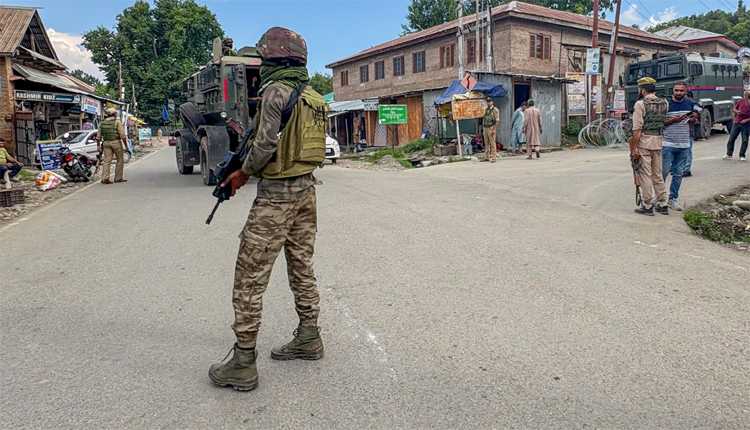
New Delhi: In a decisive move to fortify national security, the Indian government has introduced its maiden anti-terror policy, christened ‘Prahaar’, aimed at dismantling cross-border terrorism, cyber assaults, and emerging threats from cutting-edge technologies like drones and the dark web.
Hosted on the Ministry of Home Affairs (MHA) website, the comprehensive strategy adopts a ‘zero tolerance’ stance, integrating intelligence-driven prevention, swift response mechanisms, and capacity building across agencies. It spotlights perils from global outfits such as Al-Qaeda and ISIS, which exploit sleeper cells and local networks to foment unrest, particularly in sensitive regions like Punjab and Jammu & Kashmir.
‘Prahaar’ emphasises a multipronged approach: bolstering border surveillance against drone misuse, cracking down on terror financing via crypto wallets and social media propaganda, and countering organised crime syndicates that aid recruitment and logistics. The policy prioritises critical sectors such as energy, aviation, and defence to safeguard against chemical, biological, radiological, nuclear, explosive, and digital (CBRNED) threats.
The policy underscores community engagement through de-radicalisation programmes, youth education, and jail reforms to curb radicalisation. It also calls for enhanced international cooperation via treaties and UN listings of terrorists.
According to the MHA document, “India does not associate terrorism with any particular religion, ethnicity, nationality, or civilisation,” ensuring a fair, human rights-compliant framework under the Unlawful Activities (Prevention) Act.
With legal experts involved from investigation to prosecution, ‘Prahaar’ promises higher conviction rates via the National Investigation Agency (NIA) and modernised forces like the National Security Guard (NSG).
This policy marks India’s frontline resolve in the global fight against terror, fostering resilience through public-private partnerships and societal involvement.
Comments are closed.