

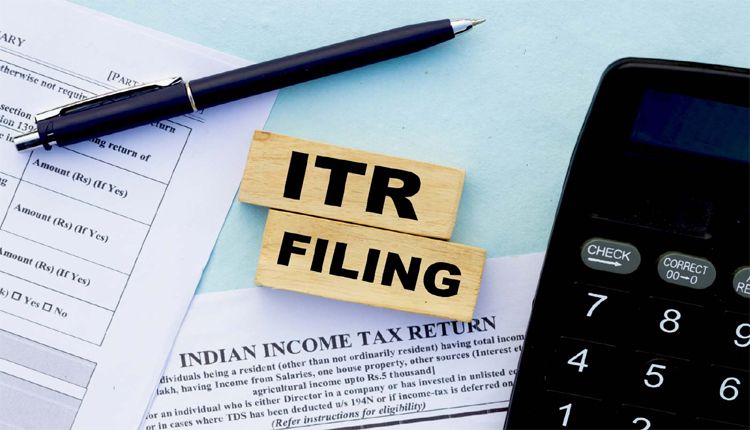
New Delhi: Taxpayers preparing to file their Income Tax Returns this year will need to be more careful, as several changes in ITR forms and reporting requirements can directly affect the accuracy of their returns. A small mismatch in income details, deductions or form selection may lead to queries or notices from the Income Tax Department.

The filing season for Assessment Year 2026 to 27 has brought renewed focus on correct disclosure. Taxpayers have been advised to check Form 16, Form 26AS, Annual Information Statement and Taxpayer Information Summary before submitting their return.
One of the key changes relates to ITR form selection. Salaried individuals and pensioners must ensure that they are choosing the correct form based on income source, total income, house property, capital gains and foreign assets. Filing the wrong form can make the return defective.
Another important change is linked to reporting of capital gains. Taxpayers with gains from shares, mutual funds, property or other assets must report them correctly. Those having capital gains may not be eligible to file simpler forms in some cases and may have to use a different ITR form.
The new tax regime also remains an important point of attention. Taxpayers should compare both old and new regimes before filing. Those claiming deductions under sections such as 80C, 80D or house rent allowance must check whether the old regime is more beneficial. In the new regime, many common deductions are not available.
Mismatch between AIS and actual income is another major concern. Interest income, dividend income, securities transactions, TDS, TCS and high value transactions are now reflected in official tax records. If the return does not match these details, the taxpayer may receive a notice seeking clarification.
Taxpayers must also be careful while claiming deductions and exemptions. Any claim made without proper proof or documents can create problems later. Donations, insurance payments, loan interest and investment related deductions should be supported by valid records.
Experts say the best approach is to file only after checking all pre filled details and reconciling them with personal records. Rushing through the process can increase the risk of errors.
For ordinary taxpayers, the message is clear. ITR filing is no longer a routine formality. With stronger data tracking and better digital matching, accuracy has become as important as timely filing.
Comments are closed.