

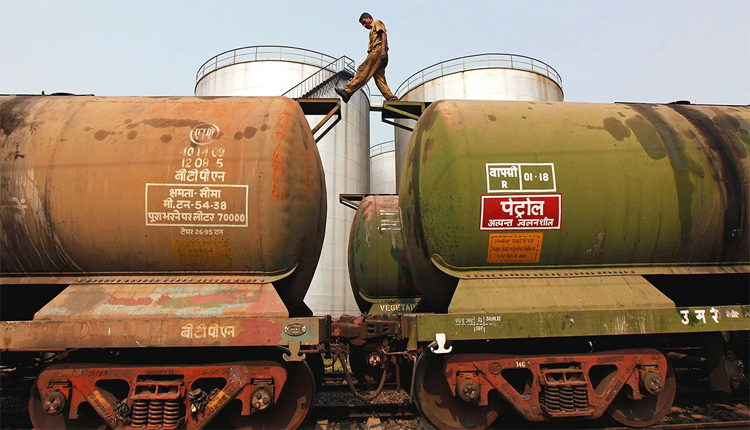
New Delhi: The ongoing geopolitical tensions and the conflict involving Iran have triggered a surge in global crude oil prices, drastically affecting fuel markets worldwide. However, Indian consumers have remained largely insulated from the severe price shocks that have recently rattled major economies. According to recent data, while petrol prices have skyrocketed by a staggering 49% in the United States over the last seven months, India has recorded a marginal hike of just 8%.

Other major economies have also felt the heat, with China witnessing a 17% increase and Russia seeing a 13% rise in domestic fuel costs. The relatively minimal impact on India—despite the country relying on imports for nearly 90% of its crude oil needs—can be attributed to a combination of strategic policy decisions, diversified supply chains, and robust domestic refining capacities.
A primary factor shielding Indian consumers is the government’s dynamic fuel pricing policy. Retail petrol and diesel prices in India include a mix of base crude costs, central excise duty, and state-level Value Added Tax (VAT). When international crude prices surged, the government and oil marketing companies managed the tax structures and margins, effectively absorbing a significant portion of the financial burden to prevent the shock from trickling down directly to the public.
Furthermore, India successfully diversified its crude supply routes. As the Middle East supply chain faced uncertainty due to the war, Indian refiners ramped up their procurement of Russian crude, taking advantage of steep discounts. India’s crude imports from Russia touched record highs around July 2026. Simultaneously, the country expanded its procurement from the United Arab Emirates and the US.
India’s massive domestic refining capacity has played an equally crucial role. Rather than importing finished petroleum products, India imports raw crude and refines it locally. This operational flexibility allows the nation to manage fuel supplies efficiently and maintain domestic reserves despite global supply chain disruptions.
In stark contrast, the US—despite being the world’s largest oil and gasoline producer—experienced a massive 49% spike in petrol prices. Reports indicate that unlike India, the US federal government does not enforce retail price caps or subsidy mechanisms, leaving American consumers directly exposed to global crude market fluctuations. Additionally, recent drone strikes on Russian oil refineries have disrupted the global supply of motor fuels, particularly diesel, adding further pressure to international markets.
While India’s strategic moves have provided significant relief for now, market experts warn that a prolonged conflict and sustained high crude prices could eventually exert upward pressure on the country’s import bill and inflation rates.
Comments are closed.