

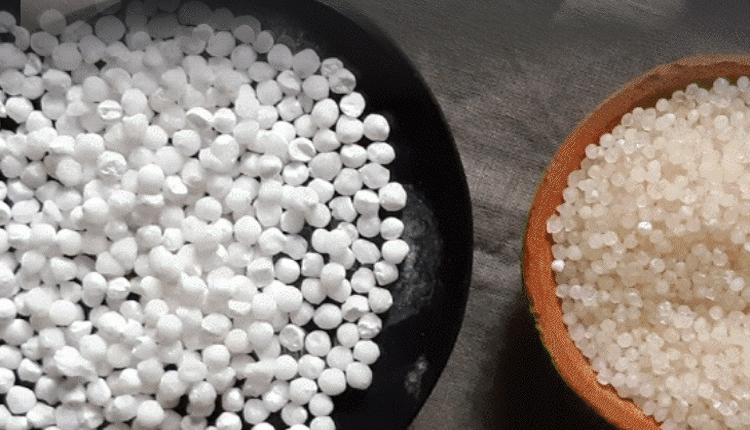
New Delhi: Sabudana, popularly known as sago pearls, is a highly preferred food item during religious fasting and festivals across India. However, the rising demand has led to a dangerous trend in the market where traders are allegedly selling fake or adulterated sabudana. Consuming these impure food items can pose severe health risks, making it extremely important for buyers to identify the genuine product before making a purchase.

Health experts warn that fake sago pearls are often treated with harmful chemicals like sodium hypochlorite, bleaching agents, and phosphoric acid to enhance their visual appeal. Consuming chemically polished sabudana can directly lead to serious health complications including severe stomach pain, indigestion, vomiting, and food poisoning. To ensure absolute safety, buyers must remain highly vigilant and follow specific quality checks while shopping.
The primary step is to avoid purchasing loose sabudana from unverified local vendors. Consumers should always prioritize sealed packets that clearly display a valid FSSAI license number. Checking the manufacturing date, expiry date, and detailed manufacturer information is crucial to guarantee food safety.
Observing the physical appearance of the pearls can easily reveal their authenticity. High quality sago pearls are naturally off white in color and possess a uniform round shape. If the grains appear unusually bright, excessively white, or artificially polished, they are most likely treated with chemical agents. Furthermore, buyers should completely avoid packets that contain a large amount of powder or severely broken grains.
Cleanliness is another major factor. Authentic sabudana must be absolutely free from dust, soil, insects, and any visible fungus. Apart from visual checks, a simple cooking test can help determine the purity of the product. When soaked in water or cooked, original sabudana naturally becomes soft, fluffy, and entirely translucent. In stark contrast, adulterated sago pearls tend to remain hard on the inside and turn unnaturally sticky after boiling.
Another popular domestic method is the chew test. When you chew a raw grain of pure sabudana, it releases natural starch and slightly sticks to the teeth. Conversely, fake grains will feel rough and surprisingly gritty in the mouth. As people prepare for upcoming fasting seasons, adhering to these basic quality checks will effectively protect families from the widespread menace of food adulteration.
Comments are closed.