

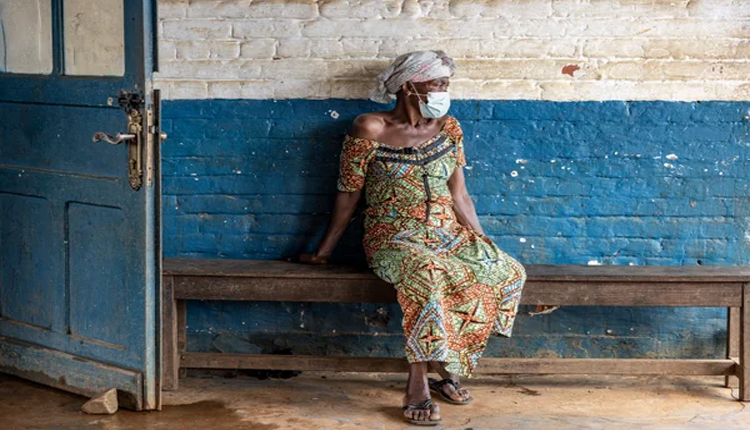
New Delhi: Health agencies have raised concern as Ebola virus disease is reported to be spreading again in parts of Africa, with cases in Congo and Uganda drawing attention from experts and public health officials. The latest concern comes amid reports that the actual number of infections in Congo may be higher than official figures, making surveillance and early detection crucial.

According to the ABP Live report, Congo’s Ituri province has seen the highest number of cases, with infections spreading since late April. A new analysis by the World Health Organization and researchers from Imperial College London has suggested that actual Ebola infections in Congo could be far above the official count. The report said that by mid May, cases may have reached between 400 and 800, while some experts fear the figure could be above 1,000.
Ebola is a severe viral illness that spreads through direct contact with the blood or body fluids of an infected person. These fluids may include sweat, saliva, vomit, urine, stool and blood. Health experts stress that Ebola does not spread through air or water like common respiratory infections, but close contact with an infected person can significantly increase the risk.
The early symptoms of Ebola often resemble a common viral fever, which makes timely identification difficult. Patients may initially develop high fever, headache, body pain, weakness and sore throat. As the disease progresses, vomiting, diarrhoea, skin rash and in some cases internal or external bleeding may occur. The Centers for Disease Control and Prevention says symptoms can appear 2 to 21 days after exposure, with many patients showing signs within 8 to 10 days.
A key relief is that an infected person usually does not spread the virus before symptoms begin. However, once symptoms appear, the risk to caregivers, family members and health care workers becomes much higher if proper precautions are not followed.
Doctors advise people to avoid direct contact with infected patients and their body fluids, wash hands frequently with soap and seek medical testing immediately if fever or weakness develops after travel to an affected region. For health workers, protective equipment such as gloves, masks and PPE kits remains essential. Vaccination, contact tracing and isolation of suspected cases are considered important tools in controlling the outbreak.
While there is no reason for panic in places not directly affected, the outbreak is a reminder that rapid response, transparent reporting and public awareness remain vital in containing dangerous infectious diseases.
Comments are closed.