

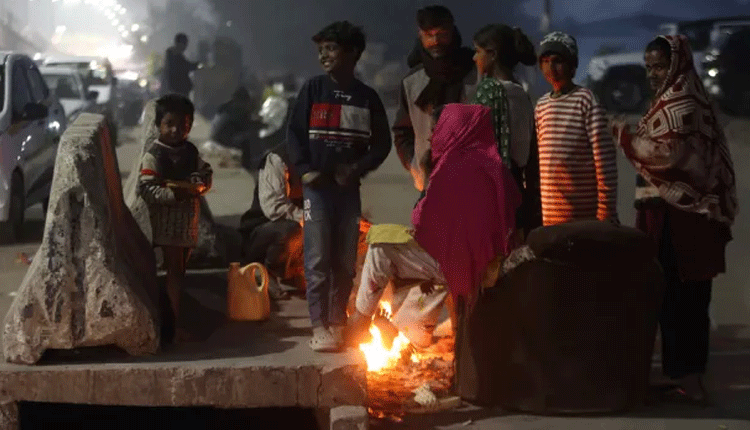
New Delhi: With the onset of winter and the lingering aftermath of post-Diwali pollution, North India is witnessing a dangerous surge in respiratory infections, particularly pneumonia. Medical experts warn that what initially appears to be a harmless winter cough can rapidly escalate into a life-threatening condition if ignored, disproportionately affecting young children, the elderly, and pregnant women.

India reports approximately four million cases of community-acquired pneumonia annually, accounting for roughly a quarter of the global burden. Tragically, over one lakh children under the age of five succumb to pneumonia and related respiratory infections every year in the country. Data suggests that one in five pneumonia patients eventually requires hospitalisation.
Dr. Akshay Budhraja, Senior Consultant and HOD of Respiratory and Sleep Medicine at Aakash Healthcare, explains the toxic combination of changing weather and poor air quality. “Smoke and fine particulate matter damage the respiratory tract, making it difficult for the lungs to expel germs. Polluted air also weakens the immune cells responsible for fighting off bacteria,” Dr. Budhraja states. He advises citizens to check the Air Quality Index (AQI) before stepping out, skip early morning walks on smog-heavy days when pollution peaks, and opt for well-fitted N95 masks over loose cloth masks.
A major concern among healthcare professionals is the tendency of patients to rely on self-medication and home remedies. Dr. Shraddha Kulkarni, Consultant in Chest Medicine and Allergy at Jupiter Hospital, Pune, cautions against this delayed approach. “People often dismiss the symptoms as a common cold and try to treat it with ginger tea, steam, or leftover antibiotics. By the time they reach us, the infection has spread deep into the lungs, turning an easily curable condition into a medical emergency requiring oxygen support and a hospital bed,” she notes. Dr. Kulkarni advises seeking immediate medical attention if a cough persists for more than a week, or if it is accompanied by fever, chest pain, or breathlessness.
Pregnant women also face elevated risks during this season. Dr. Archana Bajaj of Nurture IVF points out that pregnancy alters immune function, and the growing fetus restricts lung expansion. “Pregnant women naturally breathe faster and inhale more air, which means they take in more pollution. A simple chest infection can cause severe complications for them,” she explains, urging expecting mothers to consult a doctor immediately instead of waiting for symptoms to subside.
To stay safe indoors, doctors recommend using air purifiers, ensuring proper ventilation when outdoor air quality improves, and avoiding burning anything inside the house. Additionally, consulting physicians about influenza and pneumococcal vaccines can significantly help vulnerable age groups build resistance against severe infections.