

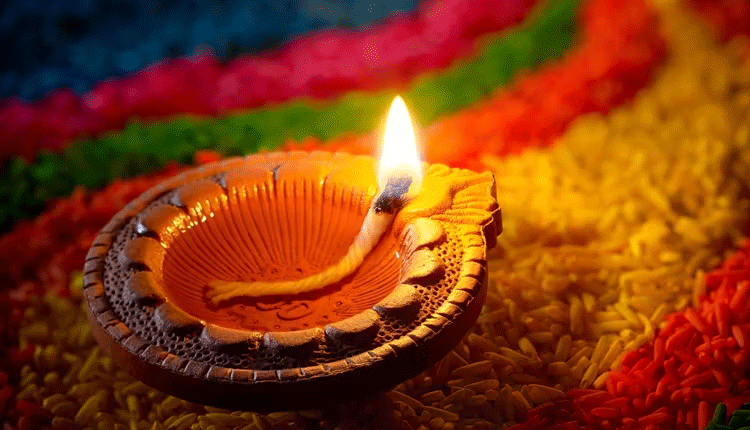
New Delhi: The festival of lights, Diwali, is celebrated with immense devotion and grandeur across the country. Falling on November 8 in 2026, the auspicious occasion transforms the darkest night of Amavasya into a radiant celebration. Decorating homes with diyas (earthen lamps), candles, and colourful lights is central to the festivities. According to Hindu mythology, lighting lamps symbolises the triumph of light over darkness and positivity over negativity.

While families eagerly prepare for the Lakshmi and Ganesha puja, a common question arises regarding the exact number of diyas to be lit and their ideal placements around the house. According to religious traditions and astrological guidelines, there is no strictly mandated number of diyas that a family must light. The practice varies deeply across different regions and households. Generally, lighting 5, 11, 21, or 51 diyas is considered highly auspicious, allowing devotees to choose a number according to their own family customs and convenience.
The placement of these lamps holds significant importance in attracting prosperity and divine blessings. The primary and most crucial spot is the main entrance of the house. According to traditional beliefs, Goddess Lakshmi enters the household through the main door. Therefore, after thoroughly cleaning the entrance, diyas should be placed on both sides of the door, often complementing a colourful rangoli to warmly welcome the deity.
Inside the puja room, lighting a ghee-filled lamp is a mandatory ritual during the evening prayers dedicated to Goddess Lakshmi and Lord Ganesha. A ghee lamp is revered as pure and ‘satvik’ in Hindu religious texts. Practitioners are advised to ensure the lamp has enough ghee to last through the rituals and is kept safely away from fabrics or puja curtains.
Another vital location is near the sacred Tulsi plant. Placing a diya near the Tulsi brings peace, prosperity, and positive energy to the household. However, devotees must maintain a safe distance to ensure the heat does not damage the plant’s delicate leaves.
Additionally, placing lamps in the kitchen is highly recommended, as the space is directly linked to sustenance. Lighting a diya here is viewed as a mark of respect for food and a prayer for continuous abundance, though caution must be exercised to keep the flame away from gas stoves or inflammable items. Finally, illuminating the darker corners of the home—including windows, balconies, courtyards, and rooftops—helps in warding off negative energy, ensuring the entire house is enveloped in a festive and positive aura.