

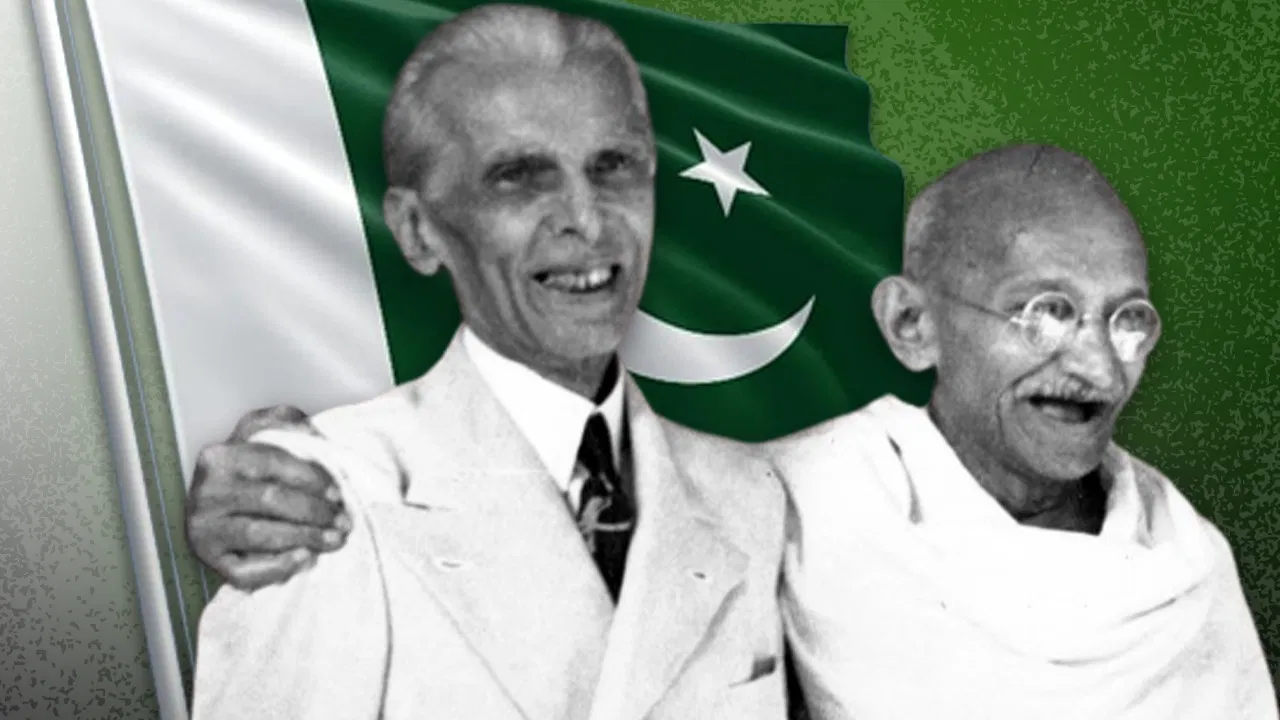
New Delhi: The launch of the Quit India Movement on August 9 in 1942 remains a defining milestone in the struggle for Indian independence. While the massive uprising shook the foundations of the British Empire, the subsequent arrest of the entire Congress leadership inadvertently provided a golden opportunity for Mohammad Ali Jinnah and the Muslim League to expand their political footprint.

Historical records reveal that the path to the movement was heavily debated. Prominent leaders including Maulana Abul Kalam Azad, Jawaharlal Nehru, Govind Ballabh Pant, Syed Mahmud and Asaf Ali were initially hesitant. They argued that a massive agitation amid the ongoing global war could weaken the fight of the Allied nations against the fascist forces of Germany and Japan. However, Mahatma Gandhi remained resolute and stressed that a decisive battle was necessary.
Before launching the movement, Gandhi made a final attempt to bring the Muslim League on board. He proposed that if the League cooperated unconditionally for immediate independence, the Congress would not object to the British handing over all administrative powers to them. Jinnah and his party rejected this offer and maintained a dismissive stance.
On the night of August 8, the Congress passed the historic resolution at its Bombay session. Unwilling to wait, the British administration cracked down immediately. By the early hours of August 9, top leaders including Gandhi, Nehru, Sardar Patel and Acharya Kripalani were imprisoned. The government aimed to crush the rebellion before it began, but the arrests only ignited public fury. With the leadership behind bars, the movement transformed into a spontaneous mass uprising.
Citizens across the country took matters into their own hands. Railway tracks were uprooted, telegraph wires were severed and government buildings were attacked. Parallel national governments were established in several regions. It was on this very morning that freedom fighter Aruna Asaf Ali famously hoisted the tricolour at the Gowalia Tank Maidan in Bombay. She continued her underground activism for years and even declined a suggestion from Gandhi to surrender in 1946.
Historian Judith Brown observed that this period completely severed the final thread of trust between the British authorities and the Indian public. Meanwhile, with Congress leaders jailed from 1942 to 1945, the British administration started actively favouring the Muslim League. Viceroys Lord Linlithgow and Lord Wavell developed closer ties with Jinnah. According to historian Ayesha Jalal, this three year period decisively amplified the political power of Jinnah, establishing the Muslim League as an unavoidable stakeholder in the eventual transfer of power.
Comments are closed.