

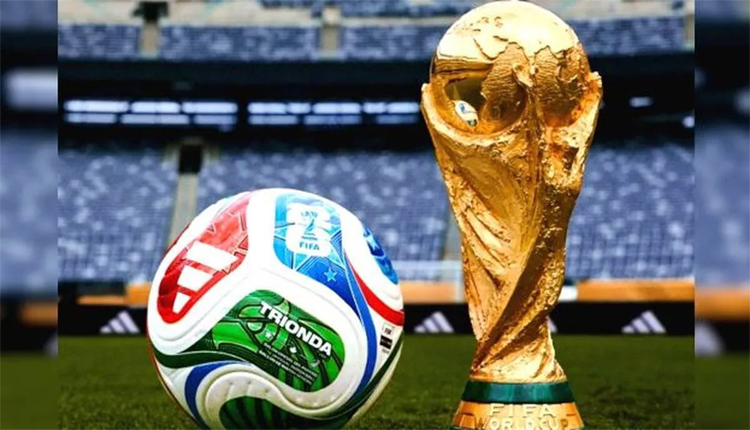
Mumbai: The FIFA World Cup 2026 is turning out to be an unprecedented commercial goldmine for football’s global governing body. While the joint host nations of the United States, Canada, and Mexico shoulder massive administrative and security bills, FIFA is on track to break all revenue records. The expansion of the tournament format has transformed this edition into a multi billion dollar money machine, highlighting a complex economic model where the governing body secures the profits while local governments bear the operational liabilities.
The current commercial cycle spanning from 2023 to 2026 is projected as the most profitable period in the history of international football. Initially, the organization estimated total earnings of 11 billion dollars, but recent projections indicate that the final figures could touch a staggering 13 billion dollars. Out of this massive revenue, nearly 8.9 billion dollars will be generated solely from the 2026 edition. This surge is primarily driven by an overhauled tournament structure that features 48 competing nations instead of the traditional 32 teams, pushing the total number of matches from 64 to 104.
FIFA relies on four major financial pillars which include television broadcasting rights, ticket sales, sponsorships, and corporate licensing. With more matches scheduled, broadcasters have secured additional advertising slots, driving up the value of media rights. Furthermore, an official ticket resale platform allows the governing body to earn hefty commissions on secondary market sales, where premium final seats are priced as high as 33,000 dollars.
Conversely, the host nations face steep financial responsibilities. Canada is spending over one billion Canadian dollars to host just 13 matches, while the United States government has allocated hundreds of millions of dollars exclusively for security. While macroeconomists point out that the long term impact on national gross domestic product remains nominal, the local private sector views the event as a financial jackpot for hotels, airlines, and restaurants.
Interestingly, the economic wave of this tournament has strongly hit the Indian market despite the national team not participating. India has emerged as the second largest consumer market for FIFA digital content globally. Media major Zee has secured the official broadcasting rights up to 2034, introducing a premium subscription based model. Football crazy states like Kerala and West Bengal are also reporting a significant spike in the sales of large screen televisions.
Ultimately, the tournament underscores the immense power of branding and global soft power. While countries continue to compete fiercely for hosting rights to elevate their international prestige, the financial structure ensures that FIFA walks away as the most secure winner, earning billions without taking on direct infrastructure burdens.
Comments are closed.