

Islamabad: Pakistan’s fragile economic recovery is facing fresh uncertainty as rising tensions between the United States and Iran threaten to trigger another wave of financial and energy challenges for the cash strapped nation.

After narrowly avoiding a deeper economic crisis over the past two years through international financial assistance, fiscal reforms and support from friendly countries, Pakistan is now closely watching developments in West Asia. Economists and policymakers fear that any prolonged confrontation between Washington and Tehran could directly impact Islamabad’s energy security, trade routes and foreign exchange stability.
Pakistan relies heavily on oil imports from the Gulf region, with a significant portion of energy supplies passing through the strategically important Strait of Hormuz. Any disruption in shipping routes or a spike in global crude oil prices could sharply increase Pakistan’s import bill and place additional pressure on foreign reserves. Reports indicate that previous regional tensions had already pushed up energy costs and strained the country’s economic planning.
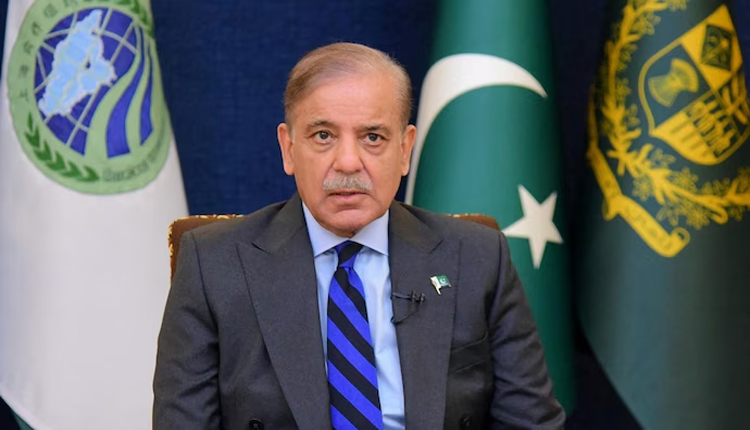
Prime Minister Shehbaz Sharif recently acknowledged the economic impact of the regional conflict, stating that the US Iran confrontation had already caused substantial financial losses to Pakistan. According to reports, he said the country had suffered an economic setback worth nearly 800 million dollars due to instability in the region.
Apart from fuel costs, Pakistan is also concerned about the welfare of millions of its citizens working in Gulf countries. Any escalation in tensions could affect remittances, which remain one of the largest sources of foreign exchange for the Pakistani economy. Reports have already highlighted cases of Pakistani workers facing uncertainty and deportation amid heightened regional security concerns.
The geopolitical situation has also placed Islamabad in a delicate diplomatic position. Pakistan has attempted to maintain relations with both Iran and the United States while simultaneously strengthening ties with China and Gulf nations. Analysts believe that worsening tensions could make this balancing act increasingly difficult.
Meanwhile, Pakistan has sought to play a diplomatic role by supporting dialogue efforts between Washington and Tehran. Islamabad even hosted discussions aimed at reducing tensions, though several initiatives have struggled to produce lasting breakthroughs.
Despite signs of economic stabilisation in recent months, experts warn that Pakistan remains vulnerable to external shocks due to its debt burden, dependence on imported energy and limited fiscal space. A prolonged crisis in West Asia could undermine recovery efforts and create fresh challenges for inflation, employment and economic growth.
As global attention remains focused on developments between the US and Iran, Pakistan finds itself once again navigating the economic consequences of a conflict unfolding beyond its borders, but with direct implications for its future stability.
Comments are closed.