

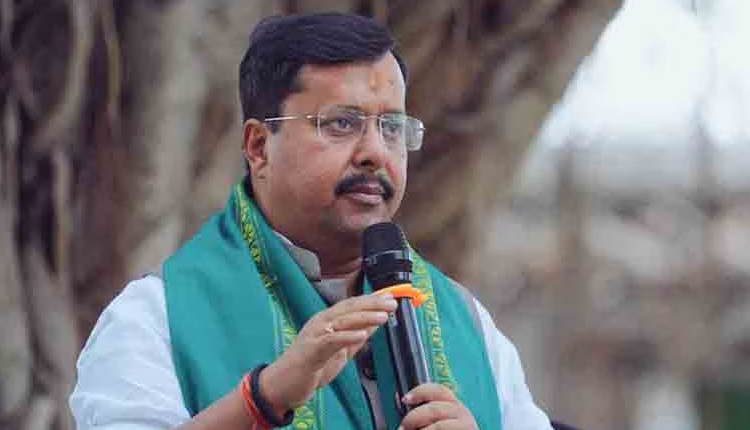
New Delhi: The Bharatiya Janata Party has announced a major organisational reshuffle, appointing new state presidents for Delhi, Punjab, Haryana and Tripura as part of its wider effort to strengthen the party structure ahead of key political challenges.

According to the party communication, BJP national president Nitin Nabin has named Union minister Harsh Malhotra as the new president of the Delhi unit. In Punjab, senior leader Kewal Singh Dhillon has been given charge of the party organisation. Dr Archana Gupta has been appointed as the Haryana BJP president, while Tripura MLA Abhishek Debroy will now head the party unit in the northeastern state.
The appointments are being seen as an important step in the BJP’s ongoing organisational exercise. In Delhi, Harsh Malhotra’s elevation is significant as the party looks to sharpen its political strategy in the national capital. His administrative experience and familiarity with Delhi politics are expected to play a role in strengthening the party cadre.
In Punjab, the appointment of Kewal Singh Dhillon comes at a time when the BJP is trying to expand its footprint in a state where it has been working to build a broader base. Dhillon, a former Congress leader, had joined the BJP after his exit from the Congress. He had contested the Sangrur Lok Sabha bypoll in 2022 and the Barnala Assembly bypoll in 2024 on a BJP ticket, though he lost both elections.
In Haryana, the party has placed its trust in Dr Archana Gupta, marking a prominent organisational responsibility for a woman leader in the state unit. Her appointment comes as the BJP focuses on strengthening its ground level network and preparing for future political contests.
Tripura has also seen a leadership change, with MLA Abhishek Debroy being appointed as the new state president. His elevation indicates the party’s focus on legislative experience and youth connect in the northeastern state.
The reshuffle is expected to influence the BJP’s internal coordination, campaign planning and public outreach in these four politically important regions. The effectiveness of these appointments will now depend on how the new state chiefs manage party workers, expand organisational reach and respond to local political challenges.
Comments are closed.