

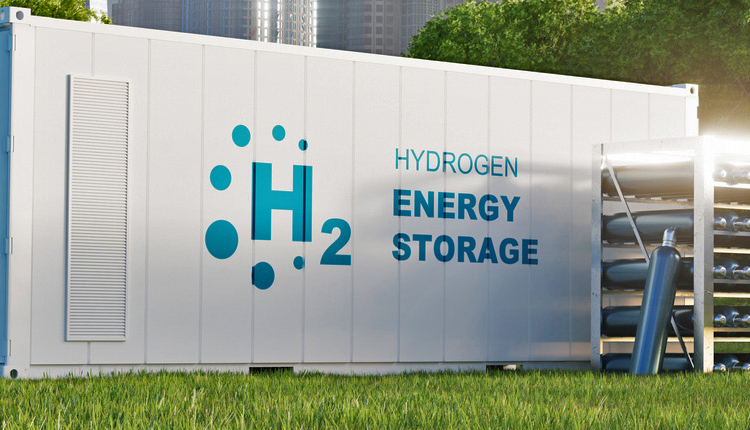
New Delhi: As rising fuel prices continue to burden consumers and global tensions threaten oil supplies, green hydrogen is rapidly emerging as a promising alternative to petrol and diesel in India’s push towards clean and self-reliant energy.
Green hydrogen is produced by splitting water into hydrogen and oxygen using electricity generated from renewable sources such as solar and wind power. Unlike petrol and diesel, it does not produce harmful carbon emissions, making it one of the cleanest fuels being explored globally.
Experts believe the technology could significantly reduce India’s dependence on imported crude oil, which currently meets a major share of the country’s energy demand. India spends billions of dollars every year on fuel imports, making the economy vulnerable to global geopolitical tensions and crude oil price fluctuations.
The Centre has already launched the National Green Hydrogen Mission with an aim to make India a global hub for hydrogen production and export. Several public and private companies have started investing heavily in hydrogen-powered transport, refineries and industrial projects.
Union Road Transport and Highways Minister Nitin Gadkari has repeatedly advocated the shift towards alternative fuels. Recently, he said there is “no future” for petrol and diesel vehicles and stressed the need to move towards cleaner energy solutions like hydrogen.
However, experts say large-scale adoption of green hydrogen still faces challenges, including high production costs, limited infrastructure and the need for advanced storage technology. Despite this, governments and industries worldwide see hydrogen as a long-term solution for sustainable transport and energy security.
Comments are closed.