

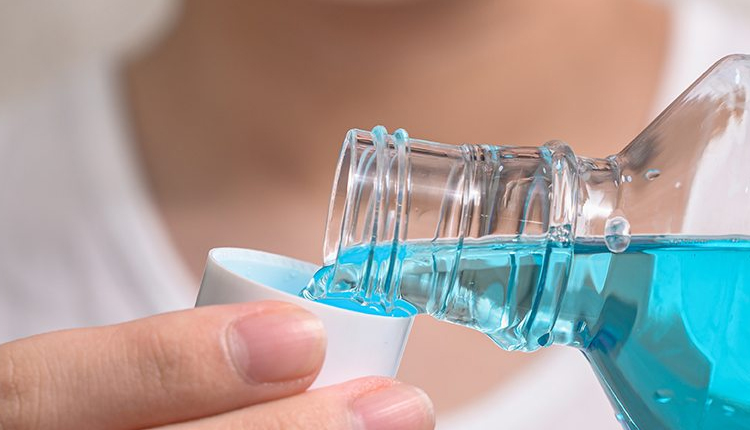
New Delhi: That morning swish of mouthwash could be doing more than freshening your breath.

New research suggests frequent use of antibacterial mouthwash may raise blood pressure by wiping out helpful oral bacteria that help keep it in check.
Scientists point to the nitrate–nitrite–NO pathway. Bacteria on the tongue convert dietary nitrate from vegetables into nitrite, which is swallowed and turned into nitric oxide — a compound that relaxes blood vessels and supports healthy blood pressure. Strong antiseptic rinses can disrupt this. A 0.12% chlorhexidine mouthwash destroys up to 94% of nitrate-reducing bacteria and cuts nitrate reduction by 85%.
Clinical trials back the concern. One randomised cross-over study found 3-day use of antibacterial mouthwash decreased salivary nitrite and led to a 2.3 mm Hg rise in systolic blood pressure in treated hypertensive adults. A longitudinal study in Puerto Rico reported that people who used over-the-counter mouthwash twice daily or more had 85% higher risk of physician-diagnosed hypertension over 3 years compared with less frequent users.
Antibacterial mouthwash blunts oral nitrate reduction and increases blood pressure in treated hypertensive men and women,” a researcher concluded.
Not all data shows a big effect. A 2024 meta-analysis found no significant change in systolic or diastolic pressure after chlorhexidine rinse, noting any potential increase is likely minor or negligible for normotensive people.
But concerns persist, especially for long-term, twice-daily users. Experts say the takeaway isn’t to ditch oral hygiene. Brushing and flossing remain protective — one 18-year study linked good oral self-care to lower cardiovascular mortality.
If you need mouthwash, dentists suggest avoiding antiseptic rinses unless prescribed, and not overusing them. “Since 99% of mouthwash contain some antibacterial ingredient, almost all types/brands are likely to have had a detrimental impact on nitrate reducing bacteria, which may increase BP,” a group of researcher noted.
Comments are closed.