

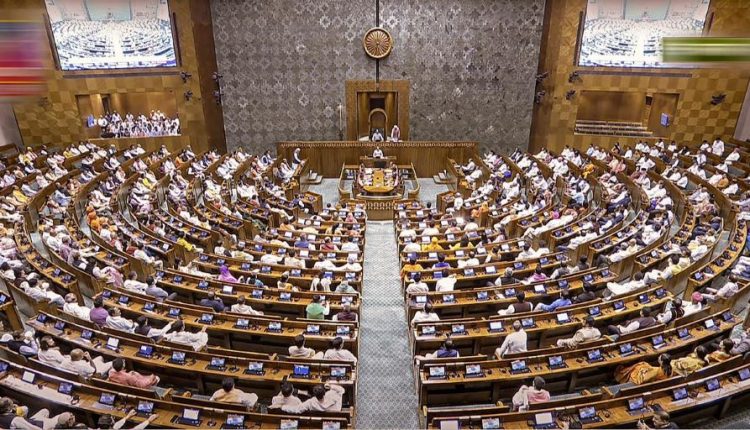
New Delhi: In a rare show of unity in Parliament, the Centre had in 2023 scripted what many called a watershed moment for Indian democracy — the passage of the Women’s Reservation Bill. But here’s the twist that has politicians, analysts and ordinary citizens glued to the fine print: the game-changing 33 per cent quota for women in the Lok Sabha and state assemblies has been implemented and won’t kick in even in the next election cycle. It would come up for a discussion at a special session of Parliament on Thursday.

The landmark legislation, dubbed the Nari Shakti Vandan Adhiniyam, reserves one-third of seats for women, including adequate representation for the Scheduled Castes and Scheduled Tribes. In September 2023, it sailed through both Houses with overwhelming cross-party support, a sight seldom seen in the cut-throat world of Indian politics. Yet the Act carries a crucial rider — the reservation will become reality only after the delimitation exercise that follows the first Census conducted once the law is in force.
With the next national headcount expected around 2026, experts believe the fresh delimitation will push the total strength of the Lok Sabha well beyond the present 543 seats with some estimating it at 850 seats. Instead of snatching seats from existing MPs, the quota will apply to an expanded House, ensuring no state loses out while giving women their rightful share. The move cleverly balances the demand for gender justice with the need for population-based fair representation.
For millions of young women dreaming of a seat in the House, this is both exhilarating and frustrating. The big question doing the rounds in political corridors: will the new order actually shape the 2029 polls, or will it take even longer? Either way, the special session will light the fuse for what could be the most significant reimagining of India’s political map in decades.
Comments are closed.