

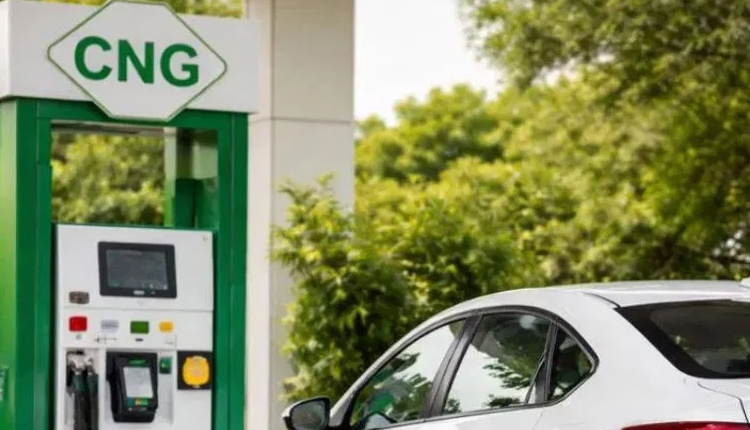
New Delhi: Amid the ongoing fuel crisis triggered by the West Asian conflict and disruptions in the Strait of Hormuz, Compressed Natural Gas (CNG) vehicles have emerged as the unexpected “VIPs” on Indian roads.

The government has accorded top priority to CNG supply for transport, shielding it from shortages that are hitting petrol, diesel, and even LPG availability hard.
According to the Natural Gas Control Order issued by the Ministry of Petroleum and Natural Gas on March 9 under the Essential Commodities Act, the City Gas Distribution (CGD) sector, including CNG for vehicles and piped natural gas (PNG) for households, ranks at the pinnacle of the priority list. These segments receive 100% of their average consumption over the past six months, even if it means diverting supplies from industries like fertiliser and power plants.
This policy ensures uninterrupted CNG availability for taxis, auto-rickshaws, public transport buses, and private cars, especially in major cities where a large share of urban mobility depends on it. Unlike volatile international oil prices impacting petrol and diesel, CNG benefits from a largely domestic supply base, stable pricing with a ceiling formula, and long-term import agreements, making it cheaper and more reliable for the middle class.
The move underscores the government’s focus on protecting everyday commuters and households from the ripple effects of global energy turmoil. While petrol and diesel prices fluctuate wildly and LPG queues lengthen, CNG users enjoy relative peace of mind, lower running costs, and smoother daily travel.
As India pushes towards a gas-based economy, leveraging domestic sources like the Krishna-Godavari basin, CNG vehicles stand out as a practical, eco-friendlier alternative amid uncertainty.
Comments are closed.