

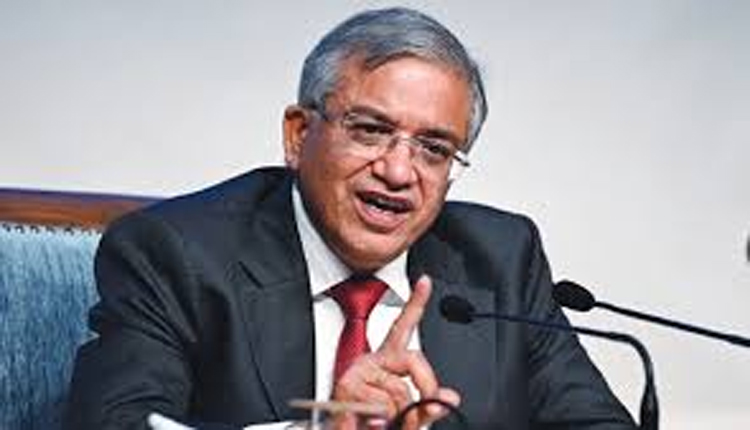
New Delhi: In a rare and high-stakes political escalation, Opposition parties led by the Trinamool Congress (TMC) have submitted impeachment notices in both the Lok Sabha and Rajya Sabha seeking the removal of Chief Election Commissioner (CEC) Gyanesh Kumar.
This marks the first such attempt against a sitting CEC in independent India’s history, amid fierce allegations of bias and voter disenfranchisement.
The notices, backed by over 190 Opposition MPs — around 130 in Lok Sabha and 63 in Rajya Sabha — exceed the constitutional minimum required (100 in Lok Sabha and 50 in Rajya Sabha). They list seven serious charges, including “partisan and discriminatory conduct in office,” the deliberate obstruction of investigations into electoral fraud, and the mass disenfranchisement of voters.

The controversy centres on the Special Intensive Revision (SIR) of electoral rolls, particularly in states like Bihar and West Bengal, ahead of upcoming assembly elections. Opposition leaders accuse the Election Commission of biased handling of the SIR process, claiming it has led to the wrongful deletion of genuine voters’ names, thereby depriving them of their democratic right to vote. They cite several Supreme Court judgements to bolster their case, arguing that such actions undermine public confidence in the poll body’s impartiality.
TMC Rajya Sabha leader Derek O’Brien described “proved misbehaviour” as encompassing deliberate abuse of power and partisan exercise favouring one political formation. The move is considered a symbolic protest against perceived EC bias towards the ruling BJP, even as the Opposition lacks the numbers for successful passage in Parliament.
The Lok Sabha Speaker and Rajya Sabha Chairman now have 14 days to decide whether to admit the notices and form an investigation committee or reject them outright. No response has emerged from CEC Kumar or the government so far.
This development heightens tensions in India’s democratic institutions at a critical juncture, particularly as the outcome of the investigation could significantly impact public trust and the functioning of these institutions.
Comments are closed.