

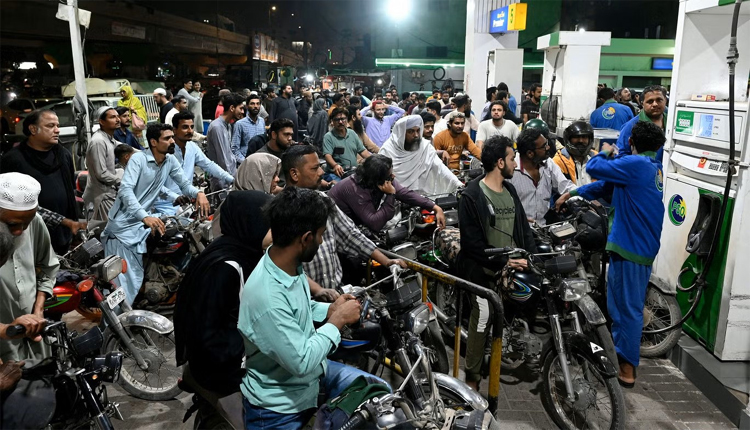
New Delhi: In a dramatic response to soaring global oil prices and fears of energy shortages triggered by the ongoing US-Israel-Iran conflict, Pakistan has rolled out sweeping austerity measures, including a four-day workweek for government offices, widespread work-from-home (WFH) policies, and a two-week closure of schools nationwide.
Prime Minister Shehbaz Sharif announced the steps in a televised address, explaining that crude oil prices have surged above $100 per barrel due to the escalating Middle East war, which has disrupted supplies through key routes like the Strait of Hormuz. Pakistan, heavily reliant on imported oil from Gulf nations, has little control over these volatile global prices.
Sharif stated: “The entire region is currently in the grip of war, leading to increased economic difficulties.” He added that the government is pursuing dialogue and diplomacy to ease tensions but warned that prolonged conflict could make oil prices “uncontrollable”.
Key measures include the following:
Government offices operating only four days a week (excluding banks and essential services), with 50% staff working from home to cut commuting and fuel use.
All schools closed for two weeks starting around mid-March, while higher education institutions shifted to online classes.
Over the next two months, the government will reduce fuel allowances for government vehicles by 50%, thereby keeping 60% off the roads.
Salary cuts: Cabinet members and ministers forgo pay for two months; parliamentarians face a 25% reduction; senior officials (grade 20+) see two-day salary deductions.
Sharif expressed sorrow over reported attacks on Iran, including the death of Supreme Leader Ayatollah Ali Khamenei, and condemned strikes on Gulf countries. He assured citizens that these steps, taken “with a heavy heart”, aim to stabilise the economy and conserve scarce resources amid the crisis.
The announcements echo COVID-era restrictions but are framed as emergency fuel-saving tactics, highlighting the war’s ripple effects on Pakistan’s vulnerable economy.
Comments are closed.