

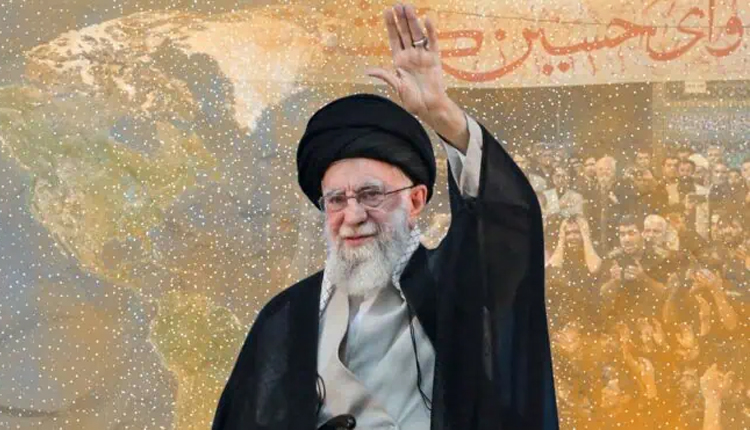
New Delhi: The sudden death of Iran’s Supreme Leader Ayatollah Ali Khamenei in a joint US-Israeli airstrike has thrust the nation’s vast and shadowy financial empire into the spotlight, even as the clerical establishment scrambles to name a successor amid escalating conflict.

Khamenei, who ruled for 36 years, reportedly controlled assets worth tens of billions of dollars through opaque networks. A long-standing Reuters investigation estimated that entities linked to him, including the powerful Setad organisation, managed properties and investments valued at around $95 billion as far back as 2013, with some recent estimates suggesting the figure has grown significantly higher through real estate, corporate holdings, oil revenues, and offshore accounts.
Much of this wealth has been tied to his second son, Mojtaba Khamenei, who oversees a global property portfolio. Reports highlight luxury assets in London’s exclusive Billionaire’s Row, a villa in Dubai’s upscale district, hotels in Europe, and funds routed through banks in Switzerland, the UK, Liechtenstein, and the UAE. These holdings, often concealed via shell companies and derived from Iranian oil sales, have drawn international scrutiny and sanctions.
With Khamenei’s assassination confirmed on March 1 following strikes on February 28, questions loom over the future of these assets. Iranian state media has declared 40 days of mourning, but Opposition voices and exiled critics claim the fortune was amassed at the expense of ordinary Iranians through property seizures and economic control.
On succession, no clear heir was named during Khamenei’s lifetime. The Assembly of Experts, a body of senior clerics, holds the authority to appoint the next Supreme Leader. A provisional leadership council has been formed, including President Masoud Pezeshkian, judiciary chief Gholam-Hossein Mohseni-Eje’i, and Ayatollah Alireza Arafi, to manage duties temporarily.
Top contenders include Mojtaba Khamenei, a hardline figure with IRGC influence; Hassan Khomeini, grandson of the Islamic Revolution’s founder; and establishment figures like Ali Larijani or Gholam-Hossein Mohseni-Eje’i. Analysts warn the power vacuum could deepen instability as Iran vows retaliation.
The fate of Khamenei’s empire and leadership remains uncertain, fuelling global speculation about Iran’s direction in this volatile chapter.
Comments are closed.