

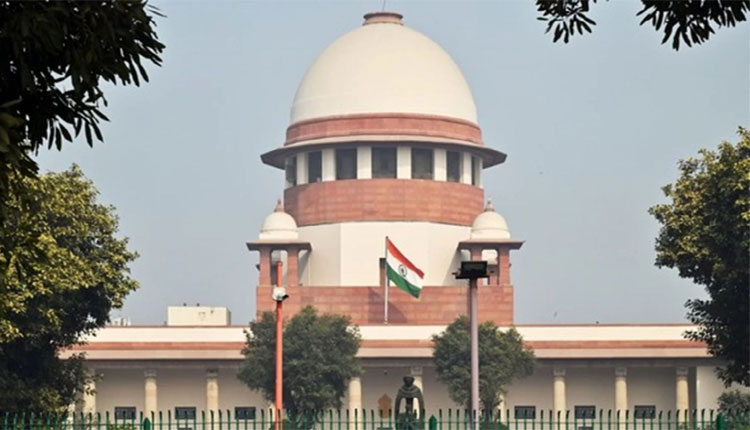
New Delhi: In a major development shaking India’s higher education landscape, the Supreme Court on Thursday stayed the implementation of the University Grants Commission’s (UGC) contentious Promotion of Equity in Higher Education Institutions Regulations, 2026, amid widespread protests and accusations of fostering division.

The regulations, notified earlier this month, aimed to strengthen measures against caste-based discrimination on campuses, mandating Equal Opportunity centres, grievance committees, and focused protections primarily for Scheduled Castes (SC), Scheduled Tribes (ST), and Other Backward Classes (OBC) students. Critics, however, argued that the rules were discriminatory by excluding general category students from similar safeguards, potentially leading to misuse, unequal treatment, and societal rifts.
A bench headed by Chief Justice of India Surya Kant, along with Justice Joymalya Bagchi, heard multiple petitions challenging the rules and observed that they appeared “prima facie vague” and “capable of misuse”. The CJI remarked, “The 2026 Regulations have sweeping consequences which will divide the society,” questioning the need for a separate definition of caste-based discrimination when broader anti-discrimination provisions already exist.
The court directed that the older 2012 UGC regulations continue to apply until further orders, issued notices to the Centre and UGC, and scheduled the next hearing for March 19. The decision comes after intense backlash, including campus demonstrations, political outcry, and resignations from some leaders over fears of “reverse discrimination”.
This interim relief has brought temporary calm to protesting students and educators, even as the debate on balancing social justice with constitutional equality rages on in India’s academic corridors.
Comments are closed.