

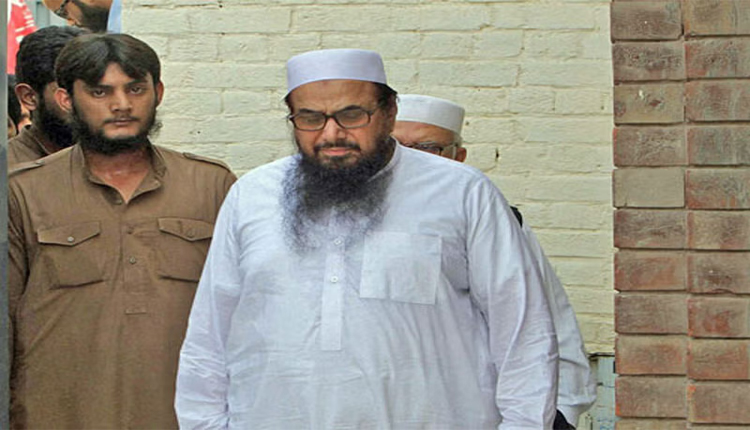
Mumbai: In a major step toward delivering long-awaited justice for the 2008 Mumbai terror attacks, legal proceedings have been initiated to try Lashkar-e-Taiba (LeT) founder Hafiz Saeed, operational commander Zaki-ur-Rehman Lakhvi, and four other Pakistan-based conspirators in absentia. The Mumbai Police have approached the Ministry of Home Affairs (MHA) to serve court proclamation orders to the absconding terrorists through Interpol.

Appearing before the special terror court on Friday, Special Public Prosecutor Ujjwal Nikam submitted an interim report regarding the proclamation orders issued against the accused in July. Nikam informed the court that the Home Ministry had accepted the prosecution’s request to execute the proclamations internationally and sought time to submit a status report.
The six Pakistani nationals named in the proclamation include Hafiz Saeed, Zaki-ur-Rehman Lakhvi, key handler Sajid Mir, Abu Al-Qama, Asim alias Abu Kahfa, and Major Abdur Rehman Pasha. Their pivotal roles in planning, funding, and directing the attacks were substantiated during the original trial through testimonies from convicted terrorist Ajmal Kasab and Pakistani-American operative turned approver David Coleman Headley.
This development marks the first time a major international terrorism case is proceeding under Section 356 of the Bharatiya Nagarik Suraksha Sanhita (BNSS), 2023, which permits courts to conduct criminal trials and deliver judgments in the absence of proclaimed offenders who evade arrest.
Under the provisions of the BNSS, the prosecution will present evidence against the six absconders if they fail to appear in court within 90 days of the proclamation. Should the accused remain absent for three years following the trial, the verdict will stand as final.
“The Mumbai attack was an act of war against India, as validated by the Supreme Court,” Nikam stated, noting that despite substantial evidence, Islamabad has continuously shielded the perpetrators. He added that a formal judicial conviction would significantly reinforce India’s diplomatic and legal leverage on global platforms.
The November 26, 2008 attacks, executed by 10 LeT terrorists across landmark locations in Mumbai over a four-day siege, resulted in the deaths of 166 people, including six American nationals. Kasab, the lone terrorist captured alive, was sentenced to death and executed at Pune’s Yerwada Central Jail in November 2012.
Comments are closed.