

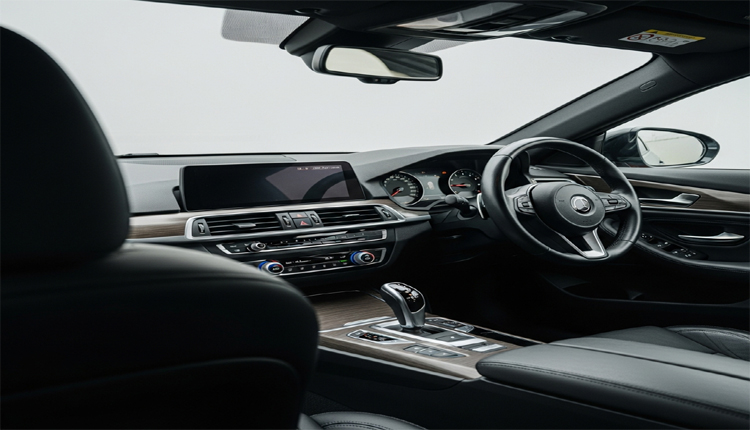
New Delhi: Most Indians take it for granted: steering wheel on the right, driving on the left side of the road. Yet this system is followed in nearly 75 countries – home to about 30 per cent of the world’s population – including the UK, Japan, Australia, New Zealand, South Africa, and neighbours like Pakistan, Bangladesh, Nepal and Sri Lanka.
The roots go back to British colonial rule. In the late 19th century, motor vehicles arrived in India following Britain’s tradition of left-side driving, a practice dating to mediaeval Europe when horsemen kept their right hand free for swords. Road design, traffic rules and vehicle standards were built around this system.
After Independence in 1947, India could have switched to left-hand drive like America and Europe. But the government wisely retained Right-Hand Drive (RHD). Changing everything – roads, signage, driver training and manufacturing – would have been hugely expensive and dangerous, risking a spike in accidents.
Today, that decision has become a massive industrial advantage. India has emerged as one of the largest producers of RHD vehicles. With steady demand from 75 RHD markets, Indian automakers and global brands based here enjoy simpler design, faster production, lower costs and competitive pricing abroad.
Exports to the UK, Australia, Japan, South Africa and several Asian-African nations have become smoother and more profitable. What began as a colonial legacy has quietly turned into a strategic export powerhouse.
Comments are closed.