

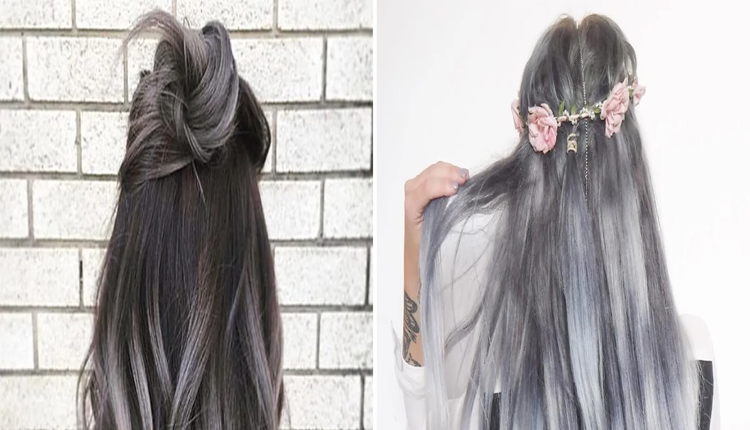
New Delhi: Ever noticed those first silver strands sneaking in, often catching you off guard in the mirror? Hair turning grey is one of the most visible signs of ageing, but science reveals it’s not just about the calendar —it’s a fascinating biological shift that many wish they could slow down.
According to dermatologists, the primary culprit is the gradual weakening of melanocyte stem cells in hair follicles. These specialised cells produce melanin, the pigment responsible for giving hair its rich black, brown, or golden shades.
As we age — typically starting around 30 to 40— these cells undergo cellular senescence, a natural decline where they produce less and less pigment. Eventually, new hair grows without colour, appearing grey or white, often feeling drier and coarser too.
Genetics play a starring role: if your parents greyed early, chances are you might follow suit. Ethnic differences also influence timing, with variations observed across populations. Beyond age, prolonged stress can accelerate the process by damaging pigment-producing cells, while deficiencies in nutrients like vitamin B12 and iron have been linked to premature greying in various studies.
The big question: Can we stop or reverse it? Experts are clear —greying cannot be completely prevented or reversed, as it’s largely a predetermined part of ageing. However, the process can be delayed to some extent. Simple yet powerful steps include adopting a balanced diet rich in essential nutrients, effectively managing stress through relaxation techniques or exercise, and embracing an overall healthy lifestyle.
While no magic potion exists to turn back the clock on grey strands, these mindful habits offer the best shot at keeping your natural colour vibrant for longer.
Comments are closed.