

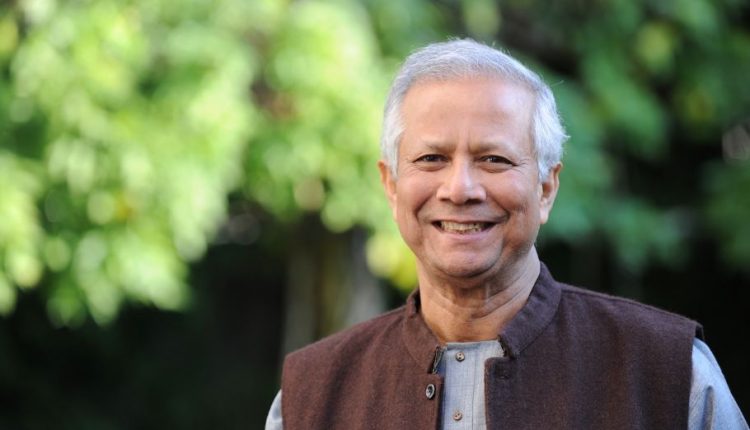
Dhaka: In Bangladesh, the much-anticipated referendum on the “July National Charter”, an extensive 84-point reform package championed by interim government Chief Adviser Muhammad Yunus, has been decisively approved by voters.
This public endorsement came on the same day as the 13th parliamentary general elections.
Yunus had actively urged citizens to vote “Yes” in support of the charter, which proposes sweeping constitutional changes with far-reaching implications for the nation’s governance, democratic institutions, and political framework.
Despite the Bangladesh Nationalist Party (BNP) securing a commanding majority in the parliamentary polls, the referendum itself passed with strong public backing.
The Bangladesh Election Commission announced the final results on Friday, revealing a voter turnout of 60.26% for the referendum. A clear majority voted “Yes,” with 48,074,429 votes in favor and 22,565,627 votes against.
The referendum, conducted alongside the general election on Thursday, sought explicit public consent for the July National Charter 2025. Yunus formally announced this charter on October 17, following broad consultations with political parties and the National Consensus Commission.
The ballot posed a single, overarching question covering four major reform pillars outlined in the charter. Voters were instructed to select “Yes” if they supported the proposals or “No” if they opposed them.
Voting occurred across 299 of the 300 constituencies (one seat’s poll was deferred due to a candidate’s death). While parliamentary results for two seats remain pending due to High Court stays, the Election Commission confirmed no legal barriers to including those areas in the referendum tally.
Unofficial parliamentary results show the BNP winning 209 of the 297 declared seats, with the right-wing Jamaat-e-Islami securing 68 seats. The Awami League, formerly led by ousted Prime Minister Sheikh Hasina, was barred from participating. Overall parliamentary voter turnout stood at 59.44%.
A “Yes” majority empowers the incoming parliament to function essentially as a constitutional reform council (akin to a constituent assembly). As explained by Ali Riaz, the charter’s chief architect and co-chair of the National Consensus Commission, lawmakers will have 180 working days to advance and implement the proposed constitutional amendments.
By holding the referendum concurrently with the elections, Bangladesh has effectively cleared the path for profound, long-term transformations in its political system and constitutional order — marking a historic step in the post-2024 uprising transition under Yunus’s interim leadership.
Comments are closed.