

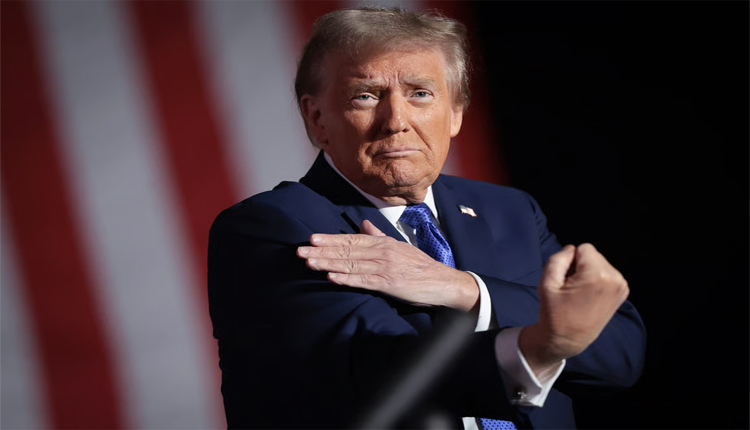
Caracas: In a dramatic turn of events that has sent shockwaves across the globe, US President Donald Trump has unveiled ambitious plans for Venezuela’s future following the arrest of President Nicolas Maduro amid midnight airstrikes.
The operation, shrouded in darkness with Caracas plunged into blackout, marks a bold US intervention aimed at dismantling what Trump calls a long-standing crisis.
Trump, addressing the media, asserted that American forces swiftly overpowered Venezuela’s prepared army, with no US fatalities reported, though some soldiers sustained injuries. “We do not want anyone else to come to power and face the same situation that has been ongoing for many years, so we will run the country ourselves,” he declared, emphasising temporary US administration until a secure power handover. He further revealed intentions to tap into Venezuela’s massive oil reserves, exporting vast quantities to global markets, while claiming the strikes eradicated 97% of sea-borne drug trafficking, which he alleged claims 25,000 lives per boat.
The move has ignited international fury. The United Nations Secretary-General Antonio Guterres voiced deep concern, labelling Maduro’s arrest a “dangerous precedent” that flouts international law and risks regional instability. Russia slammed the action as “futile excuses driven by ideological enmity,” urging non-interference and preserving Latin America’s peace as declared in 2014. China, a key Venezuelan oil buyer and lender, expressed outrage, calling it a blatant violation of sovereignty that threatens Caribbean security. Beijing fears disrupted oil supplies could exacerbate its economic woes.
As Venezuela grapples with uncertainty, Trump’s blueprint raises questions about sovereignty and global power dynamics. With no timeline specified, the world watches closely as allies like Russia and China bristle at the US’s assertive role.
Comments are closed.