

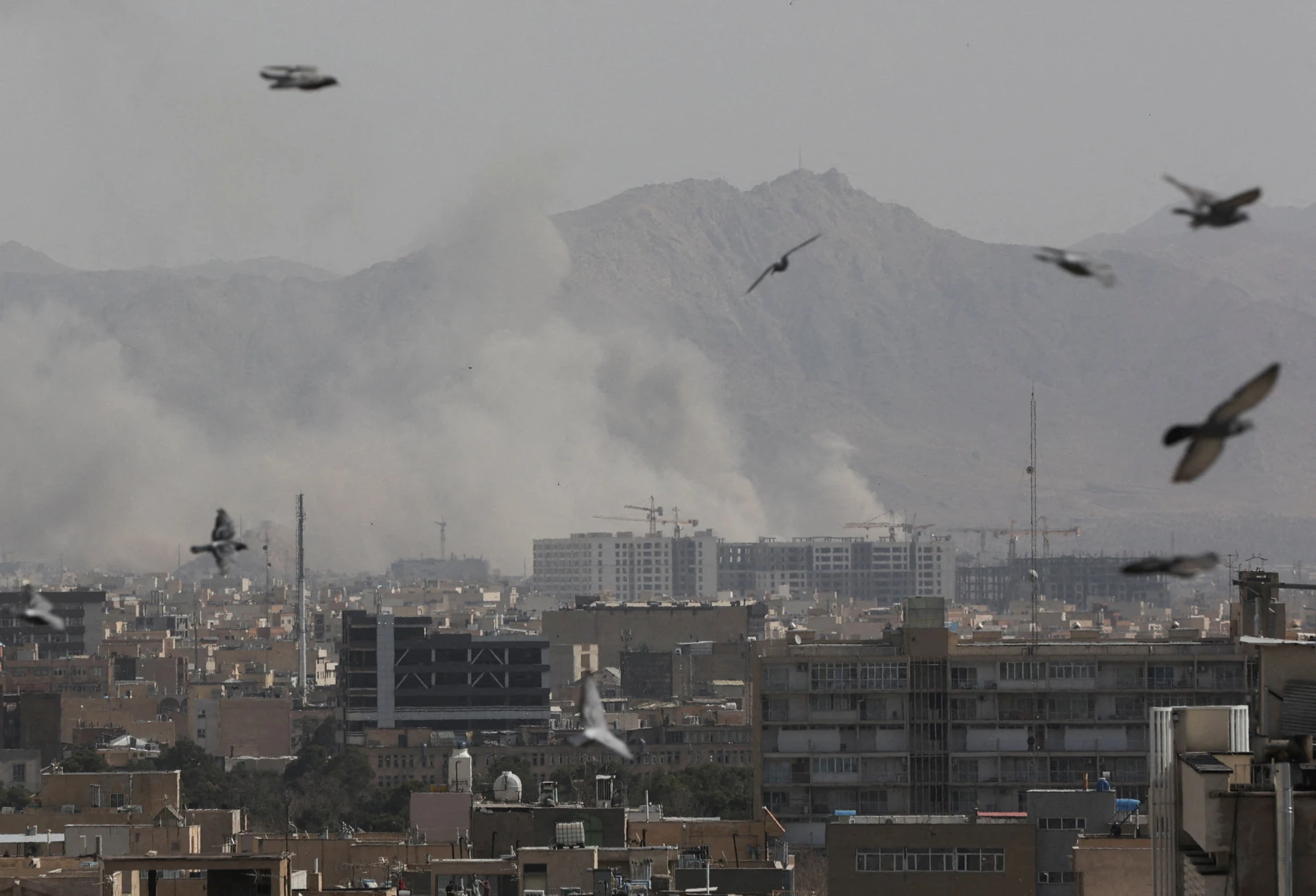
Tehran: The fragile ceasefire in the Middle East has dramatically collapsed as the United States military carried out a fresh wave of retaliatory airstrikes across Iran’s southern coastline. The intense bombardment targeted key strategic locations, including the major port cities of Bandar Abbas, Konarak, and Chabahar, marking a dangerous and immediate escalation in the geopolitical conflict.

The American strikes were launched in direct response to what Washington described as unprovoked Iranian attacks on three commercial cargo ships navigating the Strait of Hormuz. US President Donald Trump addressed the rapidly deteriorating situation, declaring that he believed the interim ceasefire with Tehran was firmly “over.” In a stark public warning on his Truth Social platform, Trump stated that if Iran were to strike again, the American response would “get much worse.”
According to local reports, the latest offensive heavily rattled several Iranian coastal hubs. In Bandar Abbas—which houses Iran’s largest port and serves as a critical base for both naval operations and the Revolutionary Guards—multiple explosions were recorded. Similar strikes hit the neighbouring city of Chabahar near the Pakistani border. Local utilities in Chabahar confirmed widespread but temporary power outages, and state media reported that a vital maritime traffic control tower was damaged during the attack.
Tehran has responded with furious condemnation and explicit threats of heavy retaliation. Mohammad Baqer Qalibaf, Iran’s top negotiator, took to X (formerly Twitter) to issue a severe warning to Washington. “The US has yet to learn that bullying and breaking its commitments no longer come without a cost. Let me be clear: If you strike, you will be struck back,” Qalibaf wrote. He firmly asserted that the critical Strait of Hormuz would only be reopened under Iranian administrative arrangements, completely rejecting American military pressure.
Following the US bombardment, Iran’s mission to the United Nations formally accused Washington of a “blatant violation of the Charter of the United Nations.” Iranian officials argue the offensive tears up the diplomatic memorandum of understanding signed just weeks earlier.
The sudden resumption of military hostilities has shattered international hopes of converting the recent mid-June agreement into a permanent peace deal. With nearly a fifth of global oil supplies passing through the heavily contested Strait of Hormuz, the renewed clashes have already sent global Brent crude prices climbing, reigniting widespread fears of a broader, uncontrolled regional war.
You can learn more about the ground situation in this report on the US bombardment of Chabahar Port, which provides detailed coverage of the immediate aftermath and the escalating crisis in the region.
Comments are closed.