

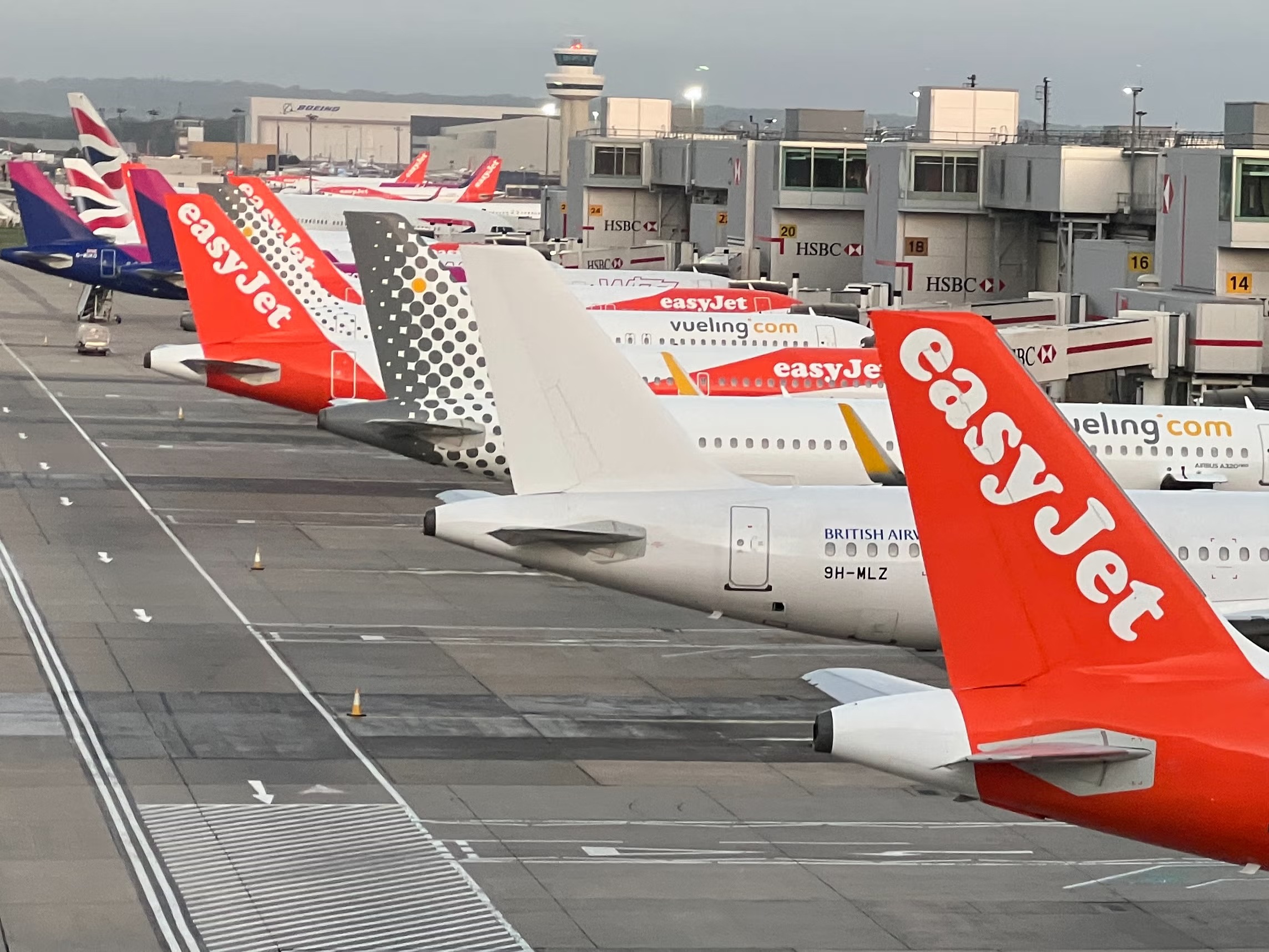
London: A severe technical glitch in the United Kingdom’s air traffic control system caused massive travel chaos on Tuesday, leading to the cancellation of nearly 300 flights and delaying hundreds more. The system failure left over 65,000 passengers stranded across major British and European airports as authorities scrambled to restore normal operations.

Britain’s National Air Traffic Services (NATS) reported that an unexpected malfunction in its flight processing system forced them to impose strict traffic flow restrictions on departing flights to maintain safety protocols. According to aviation tracking website Flightradar24 and data analytics firm Cirium, the widespread disruption crippled major hubs including London’s Heathrow, Gatwick, Stansted, Manchester, and Birmingham airports.
By Tuesday afternoon, NATS announced that their engineers had successfully resolved the core issue, though they warned that the massive backlog of flights would take time to clear.
“We have identified that the issue was in our flight processing system. Our engineers are on site and working urgently to resume normal operations as quickly as possible,” NATS said in a formal statement. “We recognise the ongoing disruption to travel, for which we sincerely apologise. Flights are still departing and airspace is open, but recovery will take some time.”
The technical breakdown had a cascading effect across the region, heavily impacting regional airports in Scotland such as Edinburgh, Glasgow, and Aberdeen. The disruption even spilled over international borders, with Dublin Airport in Ireland reporting significant delays for incoming and outgoing flights connected to the UK flight information region.
Major airlines, including British Airways, EasyJet, KLM, and Lufthansa, were forced to alter their schedules drastically. Budget carrier EasyJet confirmed that several of its flights were completely unable to operate, leading to rolling delays across the European airspace.
British Airways addressed the widespread frustration in a public statement, advising passengers to verify their flight status before heading to the airport. “This is entirely out of our control and we’re in touch with our customers whilst our teams work to get them on their way as quickly as possible,” the airline stated.
While the airspace remained officially open throughout the ordeal and incoming flights were largely spared from the restrictions, the sheer volume of grounded departures created a severe bottleneck on the tarmac. Aviation authorities have urged travelers to remain in close contact with their respective airlines as the system gradually recovers from the unprecedented halt.
Comments are closed.