

Islamabad: In a dramatic move to quell rising public discontent, the Pakistan government on Saturday announced a massive reduction in petrol prices, slashing them by ₹80 per litre.
The decision comes at a time when the global energy market is grappling with volatility due to the escalating Israel-Iran conflict.
Following the reduction, the new price of petrol stands at ₹378 per litre. Prime Minister Shehbaz Sharif, addressing the nation via a televised broadcast, stated that the relief would be funded by adjusting the government’s petroleum levy.
The announcement follows a wave of nationwide protests and chaotic scenes at fuel stations after a previous midnight hike had pushed petrol prices up by over 42%, reaching a staggering ₹485 per litre.
“I promise that I will not rest until your lives return to normalcy,” the Prime Minister assured the public, adding that the reduced rates would remain in effect for at least one month.
Diesel Prices Remain High
While petrol consumers found reason to cheer, there was no relief for the transport sector. Diesel prices remain unchanged at ₹520 per litre, maintaining a record high after a recent 54.9% price surge. To mitigate the impact on the common man, the government has announced that state-run public transport in Islamabad will be free of charge for the next 30 days.
Interior Minister Mohsin Naqvi confirmed the move on X (formerly Twitter), noting that the free transport initiative would cost the exchequer approximately ₹350 million. Similar measures have been echoed in Punjab and Sindh, where provincial leaders have announced subsidies for farmers and commuters to prevent a spike in the cost of essential goods.
The Shadow of Global Conflict
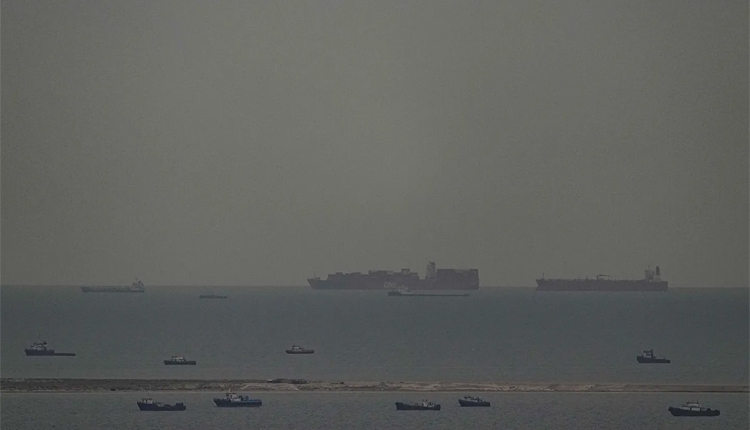
The fuel crisis in the region has been exacerbated by the ongoing conflict in the Middle East, specifically threats to energy transit through the Strait of Hormuz. While neighbouring nations like Bangladesh have recently hiked LPG and CNG prices by nearly 30%, Pakistan is attempting a delicate balancing act between IMF mandates and domestic stability.
Earlier this week, the International Monetary Fund (IMF) warned that fragile economies like Pakistan face a double whammy of high energy costs and supply chain disruptions. Despite an initial agreement for a $1.2 billion relief package, local sentiment remains wary. Many protesters in cities like Lahore argue that the price volatility is driven more by IMF pressure than the actual geopolitical situation.
Energy Conservation Measures
In tandem with the price adjustments, the government has introduced stringent energy-saving measures. These include reducing the work week to four days in several government offices, extending school holidays, and shifting certain educational classes to online modules to reduce the national fuel consumption.
As the region watches the Iran-Israel situation closely, the Sharif administration’s latest move is seen as a desperate but necessary step to prevent large-scale civil unrest in the face of a mounting economic crisis.