

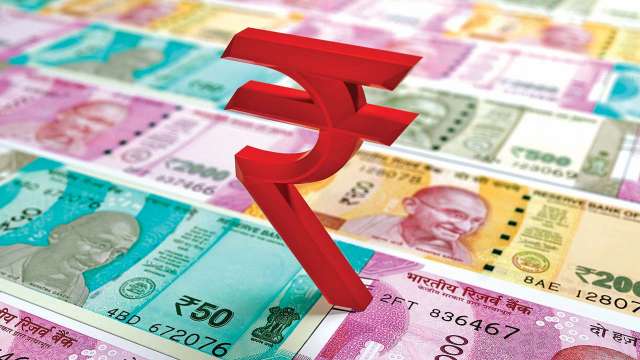
New Delhi: In a strategic move to insulate the national economy from global headwinds and volatile energy prices, India is reportedly working on a comprehensive framework to settle trade with Gulf nations using local currencies.
The initiative aims to reduce the country’s heavy reliance on the US dollar, especially for crucial imports like crude oil and petroleum products.
According to government sources, the plan focuses on the Gulf Cooperation Council (GCC) countries, including Saudi Arabia, the UAE, Kuwait, Qatar, Oman, and Bahrain. With West Asian tensions pushing Brent crude prices between $70 and $110 per barrel, India, which imports nearly 85% of its oil, is looking for ways to mitigate the impact of such fluctuations on its trade deficit and inflation.
“We must ensure that whenever external uncertainties arise, such as current conflicts, India remains protected,” a senior government officer stated. The officer added that while there is no immediate dollar shortage, the move is part of a broader “de-dollarisation” roadmap to internationalise the Indian Rupee.
The shift is expected to significantly lower transaction costs by eliminating currency conversion fees. In FY25, approximately 28% of India’s total crude imports were sourced from GCC nations, with Saudi Arabia and the UAE being the top suppliers.
A second official noted the urgency of the matter given the Rupee’s recent fluctuations: “We cannot accurately predict the movement of the Rupee, and imports are becoming increasingly expensive. It is essential to have a system where trade happens in local currency rather than the dollar.”
This strategy builds on the successful Local Currency Settlement (LCS) system established between India and the UAE in July 2023, following their Comprehensive Economic Partnership Agreement (CEPA). By expanding this model across the Gulf, India hopes to create a robust financial shield against global geopolitical instability.
Comments are closed.