

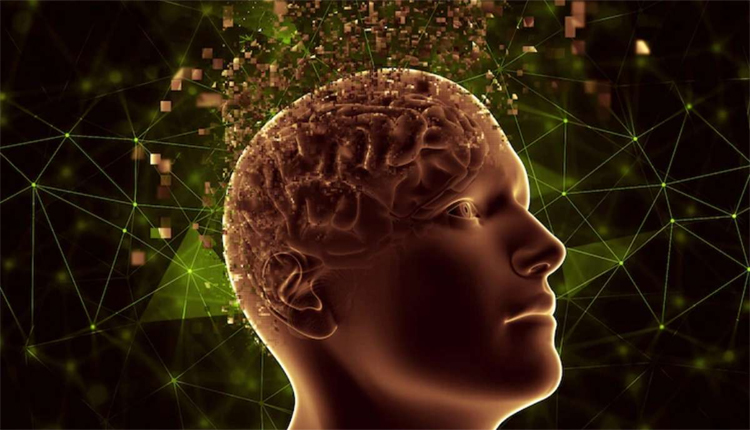
New Delhi: The human body’s final act after death is a subject of fascination, and medical science reveals that the brain is the last organ to cease functioning, a process that unfolds in the minutes following clinical death.
This intriguing insight into the body’s twilight moments has captivated researchers and the public alike, shedding light on the mysteries of mortality.
When the heart stops beating, blood circulation halts, depriving organs of oxygen. Most organs, like the heart and lungs, shut down within seconds to minutes. The brain, however, lingers, sustaining minimal activity for up to 10-20 minutes in some cases, depending on residual oxygen levels.
Known as the “final frontier” of life, the brain’s neurones fire faintly, sometimes producing vivid near-death experiences reported by those revived after cardiac arrest.
Studies suggest this prolonged activity could explain phenomena like “seeing a light” or “life flashing before one’s eyes”.
Dr Anjali Sharma, a neurologist at AIIMS Delhi, explains, “The brain’s resilience is remarkable, clinging to function even as the body fails. This makes it the last organ to die’.”
Posts on X reflect public curiosity, with users debating whether this lingering activity implies consciousness after death, though experts clarify it’s merely a biological reflex.
This revelation deepens our understanding of death and holds implications for organ donation, as timing is critical to harvesting viable tissues. As science unravels the body’s final moments, the brain’s tenacity remains a testament to life’s enduring spark.
Comments are closed.