

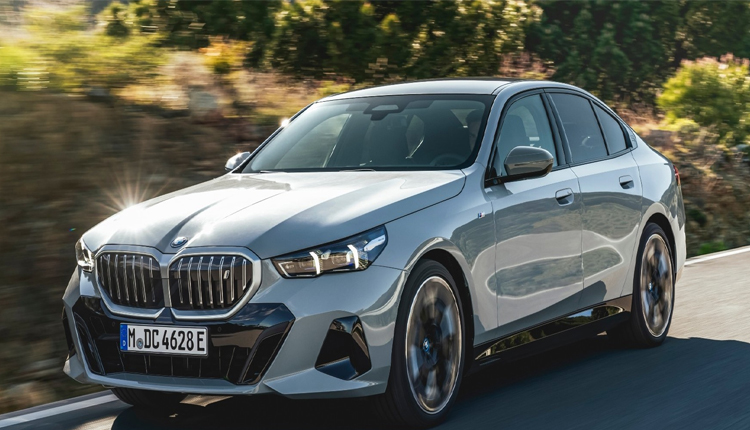
New Delhi: Dreamt of owning a sleek BMW or a stately Mercedes but baulked at the sky-high price tags? A landmark India-EU free trade agreement (FTA), finalised after years of negotiations, could soon turn that aspiration into reality for many Indian buyers by dramatically slashing import duties on European luxury cars.
Announced at the 16th India-EU Summit, the deal — hailed as the “mother of all deals”— promises phased reductions in tariffs on fully-imported vehicles from the EU. Currently, luxury cars face crippling import duties of 70% to 110%, often doubling or tripling ex-showroom prices.
Under the FTA, these duties are set to drop gradually to as low as 10% over time, with initial cuts to around 35–40% in the early phases, potentially starting in 2027.
Brands poised to benefit most include BMW, Mercedes-Benz, Audi, Volkswagen, Porsche, and others, particularly for fully built units (CBUs) like high-performance models (BMW M-series, Mercedes-AMG, and Maybach). Experts suggest price drops of 50-70% on select imports, making entry-level luxury sedans more accessible to the growing middle and upper-middle class. For instance, a car valued at ₹20 lakh on import could see its on-road price fall significantly from the current ₹45-50 lakh range.
However, caveats remain: the lower tariffs apply to a limited quota (around 2.5 lakh vehicles annually) and primarily to cars above €15,000. Many popular models from these brands are already assembled locally via CKD kits (at 16-17% duty), so mass-market variants may see limited or no immediate reductions. Electric vehicles face delayed cuts to protect domestic players.
This Free Trade Agreement (FTA) broadens the opportunities for European automakers in India’s thriving luxury segment, potentially transforming aspirations and competition. For dream-car buyers, the wait for more affordable European elegance might just be getting shorter.
Comments are closed.