

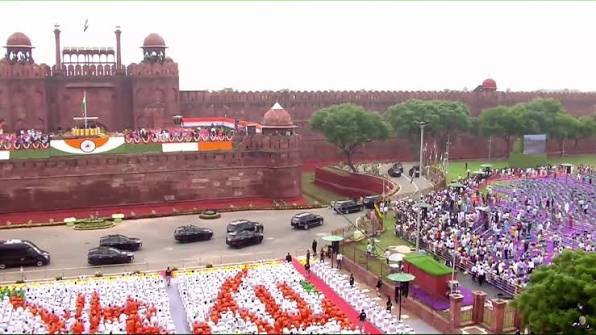
New Delhi: As India gears up to complete 79 years of independence, a crucial question often surfaces among citizens regarding the true extent of their freedom. While the Constitution of India guarantees several fundamental rights to every citizen, these privileges are intricately balanced with necessary boundaries. The core debate continues to revolve around how much freedom one truly enjoys when it comes to speaking, traveling, practicing religion, eating, and protesting.

The framers of the Constitution envisioned a democratic society where citizens could express themselves without fear. However, they also recognised that absolute freedom could lead to chaos. Therefore, the rights granted are not absolute and come with reasonable restrictions. These limitations are strictly enforced when matters concern national security, public morality, and the maintenance of general law and order.
A prime example is the freedom of movement. Under Article 19 of the Constitution, citizens are granted the fundamental right to move freely throughout the territory of India. Despite this clear provision, the government holds the authority to restrict movement in specific areas to protect security interests or maintain public peace.
Similarly, the freedom of dietary choices has been a subject of extensive legal and social debate. While people generally have the right to choose their food, this right operates within legal frameworks set by individual states. In 2005, the Supreme Court of India upheld the constitutional validity of laws banning cow slaughter in various states. This landmark judgment clearly demonstrated that dietary preferences must align with regional legislative boundaries and cultural sensitivities.
The right to protest and the freedom of expression, especially on modern social media platforms, also face similar constitutional checks. Citizens have the full right to voice their opinions and organise peaceful demonstrations. However, authorities can legally intervene and impose restrictions if these activities threaten national integrity or disrupt public order.
As the nation celebrates another milestone of sovereignty, it becomes essential to understand this delicate constitutional balance. The fundamental rights empower the citizens, while the reasonable restrictions ensure that individual liberties do not compromise the safety and harmony of the entire country. The ongoing dialogue around these rights highlights the dynamic nature of the Indian democracy.
Comments are closed.