

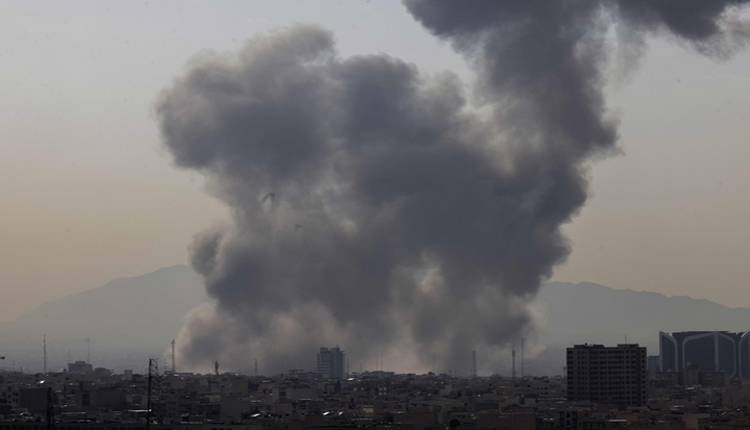
New Delhi: In a dramatic escalation amid ongoing hostilities between Israel and Iran, Tehran has announced the closure of the Strait of Hormuz, a vital artery for global oil trade.
This move comes in response to joint airstrikes by Israel and the United States on Iranian targets, sparking fears of widespread economic turmoil.
The Strait of Hormuz, a narrow, 161-kilometer waterway linking the Persian Gulf to the Indian Ocean, serves as the primary gateway for crude oil shipments from the region. Bordered by Iran to the north and the United Arab Emirates and Oman to the south, it handles over 20 million barrels of oil, condensate, and refined fuel daily — accounting for nearly a quarter of the world’s seaborne oil trade. OPEC nations, including major exporters like Qatar for liquefied natural gas, rely heavily on this route to reach Asian markets.
Iran’s decision, among retaliatory strikes, could trigger a sharp rise in global oil prices and disrupt supplies, potentially destabilising economies worldwide. Experts warn of increased transportation costs, supply delays, and shortages that might echo past crises. With Iran’s arsenal of 3,000 short-range missiles capable of hitting Gulf states up to 250 kilometres away, the conflict risks prolonging, drawing in allies like China and Russia to Tehran’s side.
Meanwhile, the US and Israel may bolster Iranian opposition groups in a bid for regime change, though Tehran appears braced for a drawn-out battle. Russian President Vladimir Putin has reportedly issued a stern warning to US President Donald Trump and Israeli Prime Minister Benjamin Netanyahu, heightening geopolitical stakes.
This closure underscores the fragility of global energy security, as nations brace for ripple effects on fuel costs and trade.
Comments are closed.