

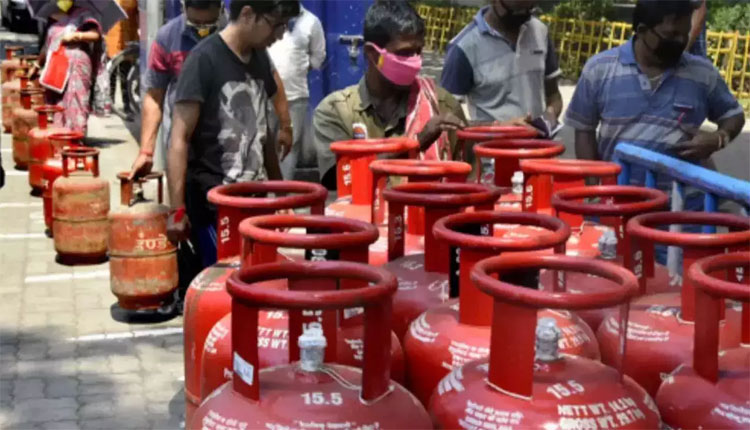
The ongoing Iran-Israel conflict, involving US strikes and disruptions in the Strait of Hormuz, has severely impacted global LPG supplies, with India — the world’s second-largest importer — facing acute shortages.
This has triggered panic buying, long queues at distribution agencies, and hardships for households and businesses alike.
In Mumbai, residents form lines as early as 5 am, with refill delays stretching 2-8 days; up to 40% of hotels and restaurants have shut or limited operations due to halted commercial cylinder supplies. In Noida (including Sector 5), people queue from 3-4 am, but trucks have been absent for days, forcing many to borrow cylinders from neighbours or survive on simple meals.
A Noida resident lamented, “We are quenching hunger with dahi chuda and sattu,” while another shared, “We have been coming every day for 3-4 days, standing in line all day, but no cylinder.” Home conditions have turned “very bad,” with families unable to cook properly.
The government has prioritised household supplies over commercial ones, formed monitoring committees in cities like Mumbai, and assured no overall domestic shortage exists despite panic. Fake delivery messages add to the confusion. Prices have risen modestly (domestic by ₹60, commercial higher), but black-market rates soar in some areas.
As two LPG shipments approach India, relief may be on the horizon, yet the crisis highlights India’s vulnerability to Middle East energy shocks.
Comments are closed.