

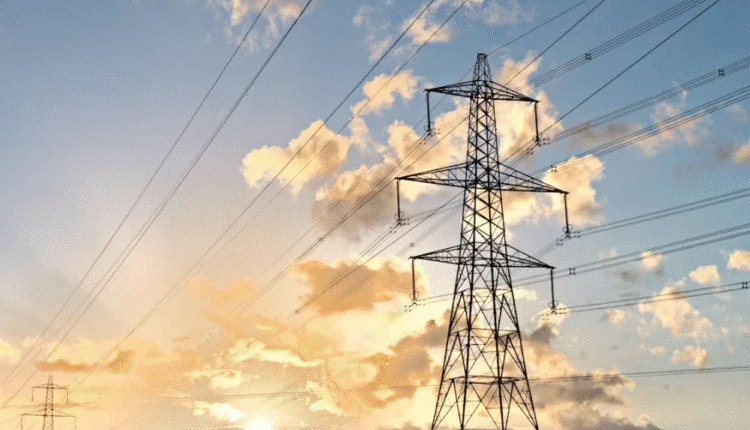
New Delhi: Bone-chilling winds gripping northern India are driving electricity consumption to unexpected peaks this winter, challenging the long-held notion that the nation’s power crunch is solely driven by summer.
In Delhi, the capital recorded its highest winter demand yet on January 1, at 5603 MW, followed closely by 5595 MW the next day – just shy of projections. Distribution companies forecast a potential peak of 6000 MW this season, fuelled by plummeting temperatures prompting widespread use of heaters, blowers and geysers.
This marks the third straight winter where demand has crossed 5000 MW early on. Over the years, the trend has climbed steadily: 5104 MW in 2021-22, 5526 MW in 2022-23, 5816 MW in 2023-24, and 5655 MW last winter.
Officials attribute the 6.8% annual rise to harsher cold spells and greater reliance on electric heating appliances.
To cope, discoms have bolstered supplies with 840 MW solar, 232 MW rooftop solar, 500 MW wind, 77 MW hybrid, and 647 MW hydropower. Advanced AI and machine learning tools now predict demand by analysing temperature, humidity, and wind patterns, while battery storage systems are in the pipeline to manage peaks more efficiently.
As winters turn more demanding, India’s power grid faces a dual challenge – preparing for both scorching summers and freezing seasons.
Comments are closed.