

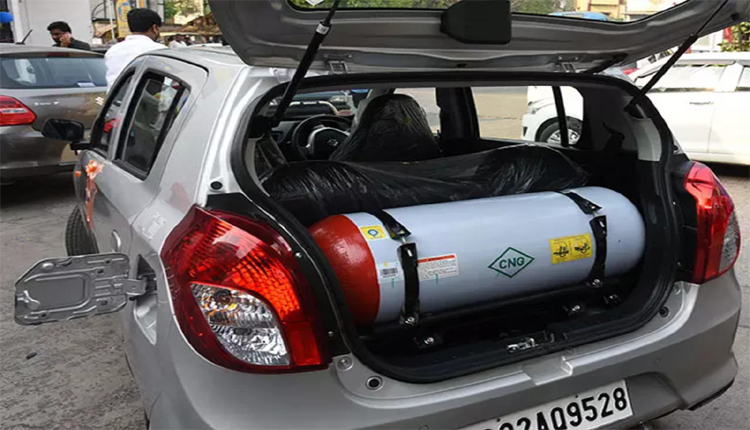
New Delhi: In a fresh blow to the common man and the transport sector, Torrent Gas has announced a significant hike in the prices of Compressed Natural Gas (CNG).
The energy provider has increased CNG rates by ₹2.50 per kilogram, citing immense pressure from the volatile global energy market and escalating geopolitical tensions in West Asia.
This price revision comes on the heels of several other inflationary adjustments in the fuel sector. From April 1, the rates for commercial LPG cylinders and Aviation Turbine Fuel (ATF) saw sharp increases across major Indian cities. While state-run oil marketing companies (OMCs) have kept petrol and diesel prices steady for the moment, private players like Nayara Energy have already begun upward revisions.
The $110 Barrel Burden
The primary driver behind this hike is the relentless surge in international crude oil prices, which have now hit the $110 per barrel mark. The ongoing conflict between Israel and Iran has cast a long shadow over global supply chains, particularly regarding critical transit routes like the Strait of Hormuz. Disruptions in these energy corridors have led to a spike in procurement costs for gas and oil companies, which is now being passed on to the end consumer.
Impact on Daily Life
For thousands of auto-rickshaw and taxi drivers, this ₹2.50 hike is more than just a number; it is a direct hit to their daily earnings. “Our profit margins are already wafer-thin due to rising maintenance costs. This hike will force us to reconsider our fares, which might drive away passengers,” said a local auto-rickshaw union representative.
Common citizens using CNG vehicles are also feeling the heat. Local commuters expressed concerns that the rising cost of fuel would inevitably lead to a “domino effect,” pushing up the prices of essential commodities and transport services.
A Broader Inflationary Trend
The hike in CNG is part of a broader trend of rising operational costs across various industries.
Commercial LPG: In Delhi, a 19-kg commercial cylinder now costs ₹2,078.50, following a massive jump of ₹195.50.
Aviation Fuel: Rising ATF prices are expected to push airfares higher, affecting the travel and hospitality sectors.
Household Budget: While domestic LPG rates have remained unchanged since the last hike in March, the cumulative effect of costlier transport and commercial fuel is expected to inflate household grocery bills.
The Global Outlook
Economic experts warn that as long as the conflict in the Middle East remains unresolved and supply routes remain blocked, fuel prices are likely to remain on an upward trajectory. The International Monetary Fund (IMF) has already flagged the risk that fragile economies face due to such supply chain shocks.
As businesses and consumers alike grapple with these rising costs, all eyes are now on the central government to see if any fiscal interventions or tax cuts on petroleum products are on the horizon to provide much-needed relief to the public.