

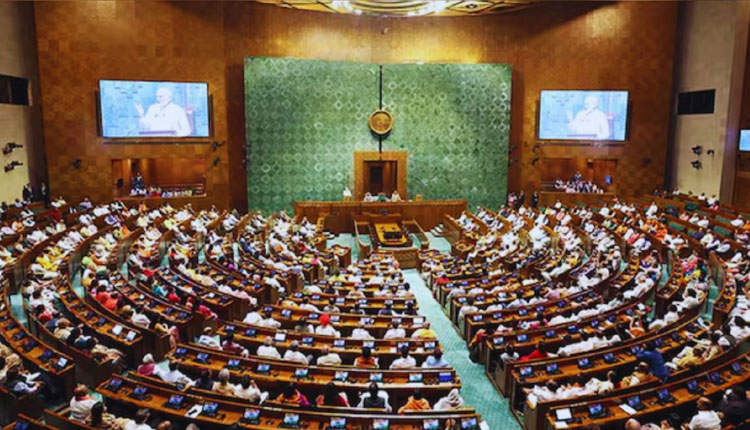
In a potentially historic move to redefine India’s democratic fabric, the Central Government is reportedly working on a transformative bill to significantly increase women’s participation in the Lok Sabha.
According to sources, the proposed plan includes expanding the total number of parliamentary seats from 543 to 816, with 273 of these earmarked exclusively for women.
This new formula aims to implement the long-awaited women’s reservation by utilising the 2011 Census data as the base. The strategy effectively addresses the 33% reservation requirement by increasing the overall strength of the House, thereby ensuring that the number of seats available for general candidates does not shrink while creating a substantial block for women representatives.
Sources indicate that the government has already initiated discussions with various Opposition leaders to build a broad consensus. While the Women’s Reservation Act was previously passed, its implementation was tied to the completion of a fresh census and subsequent delimitation. This new proposal suggests a path to fast-track the process by decoupling it from the delayed next census and relying on 2011 figures instead.
The move has sparked intense debate in political circles. Supporters argue that this expansion is a masterstroke for political empowerment. “This will ensure that women’s voices are not just heard but are influential in policy-making,” noted a source familiar with the developments. However, some Opposition parties have raised concerns regarding the sudden shift in the delimitation criteria and the potential impact on regional political balances.
As the political climate heats up, the potential restructuring of parliamentary constituencies could fundamentally alter the electoral map. While an official announcement is still awaited, the proactive steps taken by the Modi administration signal a major push to make the Indian Parliament more inclusive and gender-balanced ahead of the upcoming electoral cycles.
Comments are closed.