

New Delhi: As unverified reports swirl about a daring US operation to detain Venezuelan President Nicolás Maduro, history reminds us of Washington’s long-standing habit of intervening against world leaders it deems troublesome – often branding itself the global policeman.
This interventionist streak traces back to President Theodore Roosevelt’s early 20th-century doctrine, originally aimed at stabilising unrest in the Americas but soon extending worldwide.
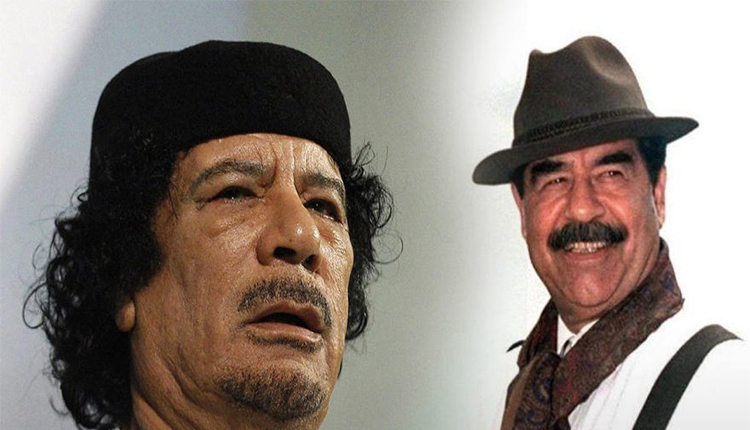
A stark example is Iraq’s Saddam Hussein. Once a US ally in the region, he turned foe after the 1990 Gulf War. In 2003, America led a coalition invasion, citing unsubstantiated claims of weapons of mass destruction and links to Al Qaeda. Nine months later, on December 13, Saddam was captured hiding in an underground hole near Tikrit. Tried by an Iraqi court for crimes against humanity, he was hanged on December 30, 2006.
Similarly, Libya’s Colonel Muammar Gaddafi faced Western wrath during the 2011 Arab Spring. NATO, spearheaded by the US, launched airstrikes to protect civilians from his forces. Rebels, backed by foreign powers, eventually captured and killed him in Sirte, ending his decades-long rule.
These cases highlight how US foreign policy has toppled regimes far beyond its borders, often sparking debates on sovereignty and superpower overreach. With new rumours swirling around Maduro, the world is closely observing whether history is rewriting itself.
Comments are closed.