

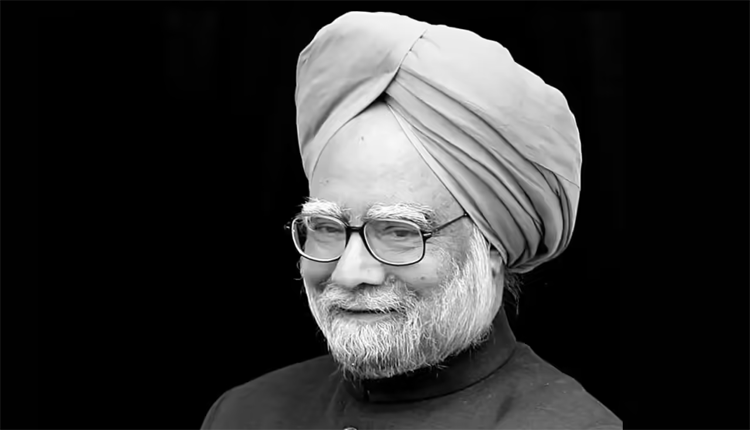
New Delhi: In a revealing excerpt from his latest book, former Chief Election Commissioner (CEC) S.Y. Quraishi has shed light on a deeply personal and intense moment involving former Prime Minister Dr. Manmohan Singh. The incident, which took place during the 2012 Uttar Pradesh Assembly elections, saw the usually stoic Prime Minister express extreme distress, even mentioning “suicide,” over allegations regarding his integrity and the independence of the Election Commission (EC).

The controversy erupted when then Union Law Minister Salman Khurshid promised to increase the sub-quota for minorities, specifically Muslims, during the high-stakes UP election campaign. The Bharatiya Janata Party (BJP) promptly moved the Election Commission, alleging a violation of the Model Code of Conduct. When the EC took stern action, several senior Congress leaders and ministers began questioning the poll body’s neutrality, sparking a face-off between the government and the commission.
The Tense Encounter at 7, Race Course Road
Detailing the encounter in his book, India and I: A Hundred Memories, Not a Memoir, Quraishi recalls being deeply disturbed by the government’s pushback. He reached out to Dr. Singh’s media advisor, Harish Khare, to register his protest. This led to a direct phone call from the Prime Minister and a subsequent meeting that evening.
According to Quraishi, a visibly pained Dr. Singh told him, “If you think like this [that I am influencing the commission], I will commit suicide.” The former CEC was taken aback by the gravity of the statement. He quickly clarified that his grievances were directed at the behavior of specific ministers and not at the Prime Minister himself.
Upholding Democratic Institutions
The Prime Minister’s reaction highlighted his deep-seated respect for the Election Commission, which he often described as the “pride of India.” Once the tension eased, Dr. Singh admitted he was unaware of the specific friction caused by his cabinet colleagues. He assured Quraishi that had he known, he would have reprimanded them, and instructed the CEC to call him directly in the future if any issues arose.
Quraishi also used the opportunity to reflect on the current political climate, noting that during his tenure, he prioritized the concerns of the opposition to ensure a level playing field. He cited instances where he accommodated requests from leaders like Lalu Prasad Yadav to build trust in the electoral process.
A Contrast in Eras
The former CEC expressed concern over the “unfortunate” state of affairs today, where constitutional bodies often face relentless scrutiny. He emphasized that the right to vote is not a “favor” bestowed by the commission but a fundamental democratic right.
This revelation offers a rare glimpse into the personal burden of leadership and the historical tensions between the executive and independent regulators in India’s vibrant democracy.
Comments are closed.