

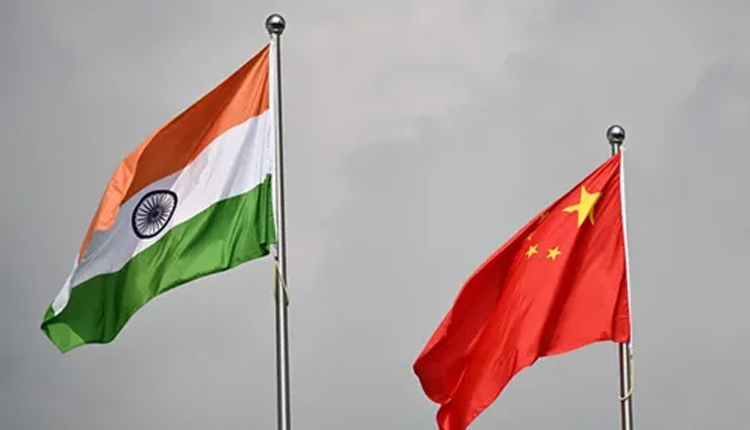
New Delhi: In a major effort to maintain stability along the disputed frontier, military commanders of India and China have concluded an extensive 10-day dialogue aimed at diffusing tensions and averting troop confrontations along the Line of Actual Control (LAC) in Arunachal Pradesh, according to a report by TV9 Hindi.

The second round of Corps Commander-level discussions in the eastern sector commenced on 8 November and spanned nearly ten days with a brief scheduled interlude. Defence sources characterised the bilateral deliberations as constructive and cordial, with both sides focusing heavily on preventing friction between forward-deployed personnel as harsh winter conditions begin to set in across the Eastern Himalayas.
The Indian delegation was headed by Lieutenant General Girish Kalia, General Officer Commanding (GOC) of the Dimapur-based III Corps, also known as the Spear Corps, alongside an official representing the Ministry of External Affairs (MEA). Chinese military commanders, including Lieutenant General Kalia’s counterpart from the People’s Liberation Army (PLA), participated in the high-altitude deliberations.
The primary agenda centred on establishing clear ground protocols to manage face-to-face encounters, sustaining uninterrupted operational communication between local field commanders, and ensuring that localised disagreements do not spiral into wider standoffs. The difficult terrain, dense forest cover, and imminent heavy snowfall in Arunachal Pradesh make logistical sustenance and patrolling exceptionally hazardous during winter, amplifying the necessity for operational restraint.
This dialogue builds upon the initial breakthrough achieved in September, when the two armies extended the Corps Commander engagement framework—previously active only in eastern Ladakh—to the eastern theatre. Those discussions took place at Wacha on the Indian side and Damai across the border, against the backdrop of reported friction in the Taksing sector of Upper Subansiri district.
The talks also align with broader bilateral diplomatic engagements, including deliberations on border peace between Prime Minister Narendra Modi and Chinese President Xi Jinping during the BRICS Summit in New Delhi on 12 September. The military negotiations followed a high-level review of border security, outpost readiness, and road connectivity conducted by Union Home Minister Amit Shah in Itanagar on 21 November. While formal terms of any technical agreement remain confidential, both sides affirmed their intent to keep liaison mechanisms active.