

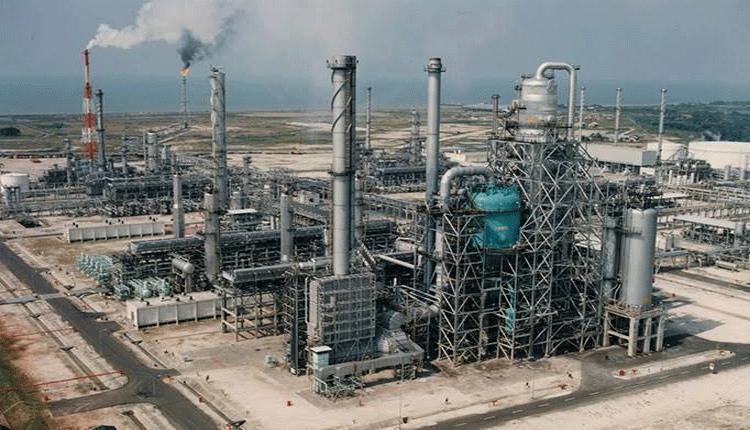
New Delhi: Stepping up its efforts to ensure long-term energy security, India is actively seeking private investors to build its largest strategic petroleum reserve (SPR) in Chandikhol, Odisha. The ambitious Rs 8,571 crore project aims to create a massive storage capacity of four million tonnes of crude oil, which will boost the country’s existing strategic storage capabilities by a staggering 80 percent.

According to tender documents released by the Indian Strategic Petroleum Reserves Limited (ISPRL), the central government is offering up to Rs 5,142 crore in grants—covering up to 60 percent of the estimated cost—to attract private participation. The project will be developed under a Public-Private Partnership (PPP) framework on a “design, build, finance, operate, and transfer” basis. The lucrative contract will be awarded to the bidder who requests the lowest government grant, with the final deadline for bid submissions set for February 26, 2027.
The Chandikhol project has been in the pipeline since the Union Cabinet cleared it in 2018 as part of the second phase of India’s SPR programme. The urgency to expand storage capacity stems from the country’s vulnerability to global supply chain shocks. Past disruptions in the critical Strait of Hormuz waterway temporarily halted nearly 40 percent of India’s crude oil supply, forcing domestic refiners to secure alternative global cargoes at significantly higher premiums.
During the first phase of the SPR programme over the last decade, India successfully established a total storage capacity of 5.03 million tonnes across Visakhapatnam, Mangaluru, and Padur at an investment of Rs 4,098 crore.
In a parallel move to optimise existing assets, the government is also looking to monetise the Visakhapatnam reserve. ISPRL has issued a separate tender to lease out approximately half of the facility’s capacity—around 524,000 tonnes—for an initial period of three years, extendable by another four years. Bids for the Visakhapatnam lease must be submitted by December 1, 2026.
These strategic developments align with a broader global trend where major oil-producing nations, particularly in West Asia, are increasingly seeking overseas storage facilities to bypass geopolitical conflicts and safeguard uninterrupted energy supply chains.