

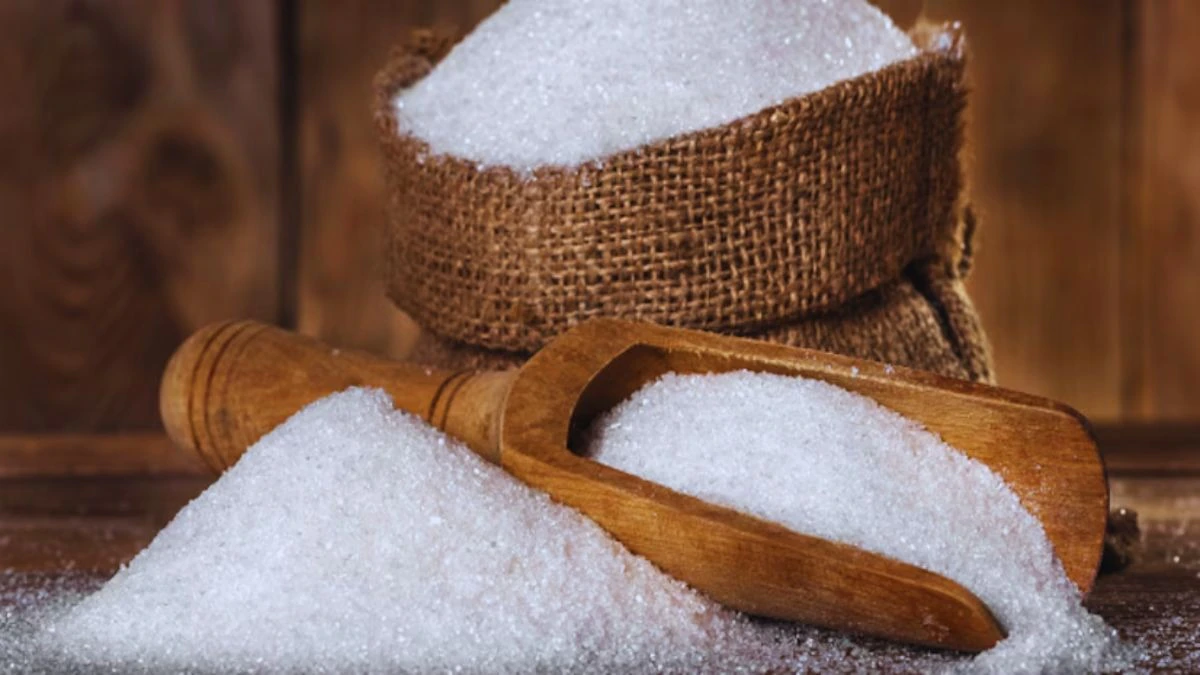
Mumbai: In a decisive move to maintain the domestic availability of sugar and control its retail prices, the Government of India has introduced a major shift in its ethanol blending policy. For the upcoming 2026-27 supply year, state-owned oil marketing companies (OMCs) have completely excluded ethanol produced from sugarcane juice, sugar syrup, and ‘B-heavy molasses’ from their latest procurement tenders.

The decision stems from growing concerns over sugar production due to deficient rainfall in major sugarcane-producing states like Maharashtra and Karnataka. To ensure the public does not face a price surge, the government directed that the use of sugar for ethanol production be reduced to zero for the upcoming supply year.
On October 16, Bharat Petroleum Corporation Limited (BPCL), on behalf of the OMCs, floated a tender inviting bids to procure approximately 1,100 crore litres of ethanol for the supply year starting in November. This procurement aims to meet the target of blending 20 per cent ethanol with petrol.
According to the tender documents, bids can only be placed for ethanol produced from maize, broken rice, surplus rice procured by the Food Corporation of India (FCI), and ‘C-heavy molasses’. This marks a significant strategic shift in the procurement of raw materials for the nationwide ethanol blending programme, which aims to reduce crude oil imports and vehicular emissions.
In addition to the ban on sugar-based ethanol, the government has also slashed the incentive for ethanol produced from maize. The incentive has been reduced by ₹3 per litre, bringing the effective price down to ₹68.86 per litre from the previous ₹71.86 per litre. This specific cut in incentives is expected to impact the profit margins of companies producing ethanol from grain.
India, the world’s largest consumer of sugar, has aggressively pushed the ethanol blending programme to reduce its reliance on imported crude oil. However, experts note that utilizing sugarcane and sugar for fuel production can directly threaten its availability for food consumption, especially during periods when crop yields are expected to be lower than normal. This proactive policy adjustment seeks to perfectly balance the country’s energy goals with its food security needs.