

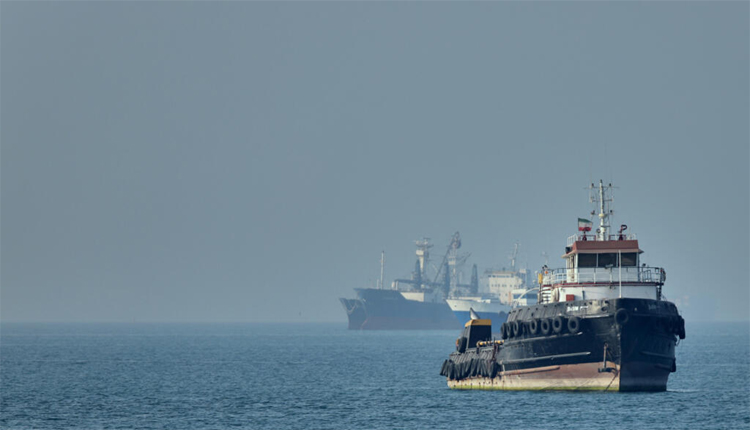
New Delhi: Amidst the ongoing geopolitical crisis and the virtual blockade of the Strait of Hormuz, Middle Eastern nations have successfully activated an alternative overland route for energy exports. According to a recent report by TV9 Hindi, Syria and Iraq have collaboratively developed a crucial transit corridor, enabling the daily passage of 5,000 vehicles laden with oil and gas destined for European markets.

The Strait of Hormuz, historically responsible for transporting nearly 25 per cent of the global oil and gas supply, has been severely compromised due to the ongoing conflict between Iran and the United States. Prior to the war, an estimated 100 to 120 massive cargo ships navigated this strategic chokepoint every day. However, recent disruptions have reduced traffic to a mere 15 to 20 small oil tankers, leaving the global supply chain gasping for alternatives.
To circumvent this logistical nightmare, Baghdad and Damascus have initiated a massive overland transport trial. As per a Washington Post report cited by TV9 Hindi, the new route begins at Iraq’s Basra port, where heavy vehicles are loaded with crude oil and natural gas. These convoys travel through Baghdad and the Haditha region before crossing the Iraq-Syria border. Once in Syria, the trucks traverse through Palmyra (Tadmur), Homs, and Tartus, finally arriving at the Baniyas port on the Mediterranean coast. From there, the energy resources are transferred onto maritime vessels and transported across the Mediterranean Sea directly to Europe.
The Iraqi government is actively working on expanding the capacity of this overland corridor. A comprehensive roadmap for this expansion was finalised in August 2026 and is expected to be implemented shortly. Geopolitical analysts note that this cooperation has been facilitated by the current political landscape, as the newly formed governments in both Syria and Iraq share a mutual frustration with Tehran’s regional posture.
Experts suggest that if this alternative transit mechanism reaches its full operational capacity, it will not only stabilise European energy markets but could also yield significant strategic benefits for other major importers like India, which heavily relies on uninterrupted Gulf energy supplies.
Comments are closed.