

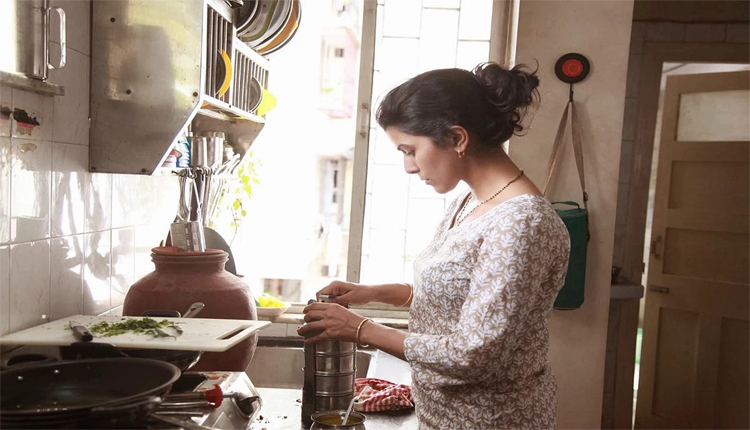
New Delhi: In a significant ruling that places renewed focus on unpaid domestic labour, the Supreme Court has recognised homemakers as “nation builders” and held that their contribution to the family and society cannot be ignored while deciding compensation in legal cases.

The court observed that domestic and caregiving work performed by homemakers has clear economic value, even if it does not come with a formal salary. It said the loss of such services must be treated as a separate category while calculating compensation, particularly in accident related claims.
According to the report, the Supreme Court has fixed ₹30,000 per month as the notional value of domestic work performed by homemakers. The ruling is being seen as an important step in acknowledging the labour, care and daily responsibilities handled within households, especially by women who do not participate in paid employment.
The court’s view reflects a wider legal shift towards recognising the real value of household work. Homemakers often manage cooking, cleaning, caregiving, budgeting, emotional support and other family responsibilities without fixed working hours or formal leave. The judgment underlines that such work cannot be dismissed merely because it is unpaid.
The decision also carries importance for motor accident compensation cases, where courts and tribunals often assess financial loss after the death or injury of a family member. By assigning a notional monthly value to homemakers’ work, the Supreme Court has provided a clearer framework for considering their contribution in such matters.
The ruling may have a wider social impact as well. In many families, the role of a homemaker is treated as a duty rather than economic labour. The court’s observation sends a strong message that household work supports families, enables other members to work outside and contributes to society in a meaningful way.
While the ruling does not convert homemaking into a salaried job, it gives legal recognition to a form of labour that has remained undervalued for decades. It is expected to influence future compensation claims and strengthen the argument that unpaid care work deserves respect, dignity and fair valuation under law.
Comments are closed.