

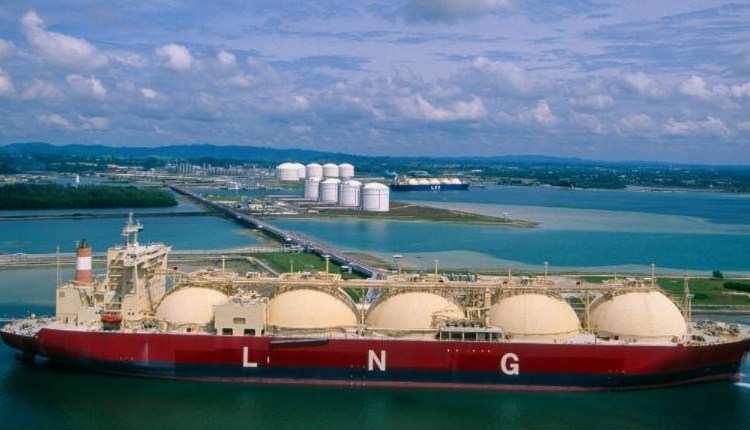
New Delhi: In the middle of an active war zone, two Qatari gas tankers quietly slipped towards the Strait of Hormuz on Sunday — and the world held its breath watching them.

For the first time since the Iran-US conflict broke out, Iran’s Islamic Revolutionary Guard Corps (IRGC) has given the green light to Qatari LNG vessels to pass through the strategically vital strait. Shipping analytics firm Kpler tracked two tankers, Rasheeda and Al Daayen, moving towards Hormuz, loaded with liquefied natural gas. Once through, the ships will enter the Gulf of Oman before heading on to their respective destinations.
The passage comes on the back of a quiet but consequential deal reportedly struck between Tehran and Doha. According to Israeli outlet JFeed, Qatar offered Iran a staggering $6 billion — money originally transferred to Qatar from a previous US arrangement — in exchange for security guarantees. Shortly after, Iranian attacks on Qatar reportedly ceased, and this passage appears to be the first tangible outcome of that understanding. Neither Doha nor Tehran has officially confirmed any such agreement.
Why does this matter so much? Because Qatar is not just another gas exporter; it supplies nearly 19 per cent of the world’s LNG. In 2024 alone, Qatar shipped 77.23 million metric tonnes of gas globally. India, China, Pakistan, and large parts of Europe depend directly on Qatari gas. When Hormuz shut down, the energy anxiety was real and immediate.
Whether Iran will continue allowing Qatari ships through remains uncertain — there are no stated timelines, no public commitments. But those two tankers inching through the strait on Sunday morning quietly signalled something the markets desperately needed: that a corridor, however fragile, may still be open.
Comments are closed.