

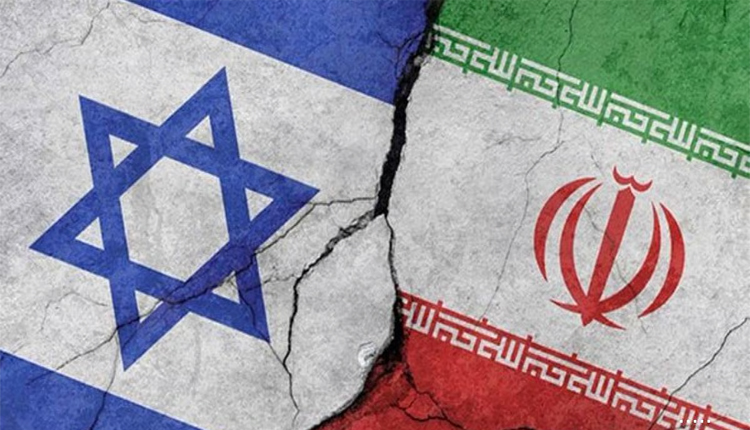
Tehran: Pakistan made a strong diplomatic effort. Trump even called Asim Munir his “favourite field marshal.” Still, when the 15-point peace plan reached Tehran, Iran quickly and clearly said no.

The Trump administration created a broad 15-point plan to end the US-Iran war and sent it through Islamabad, hoping that Pakistan Army chief Field Marshal Asim Munir’s ties to Iran’s Revolutionary Guard would help. Pakistani officials carried at least six messages between Washington and Tehran, making this one of the most significant back-channel efforts in recent diplomacy.
But Tehran rejected the plan. Iranian Foreign Ministry spokesman Esmail Baghaei called the demands “excessive, unrealistic and unreasonable,” directly contradicting Trump’s claim that Iran had agreed to most points. Another senior Iranian official was even more critical, saying the plan “lacked the minimum requirements for success and served only US and Israeli interests.”
The proposal reportedly asked Iran to dismantle its three main nuclear sites — Natanz, Isfahan, and Fordow— stop enriching uranium, end support for groups like Hezbollah and the Houthis, and reopen the Strait of Hormuz. In return, sanctions would be lifted. Iran responded with five conditions of its own, including a full stop to US-Israeli aggression, war reparations, and recognition of its sovereignty over the Strait of Hormuz.
An Iranian official made Tehran’s position clear: “The end of the war will occur when Iran decides it should end, not when Trump envisions its conclusion.”
Trump did not accept the rejection quietly. “They now have the chance to permanently abandon their nuclear ambitions. If they don’t, we’re their worst nightmare,” he warned from the White House.
With Turkey and Egypt now looking for other ways to help, and Pakistan’s mediation stalled, the path to peace is as narrow as the Strait of Hormuz.
Comments are closed.