

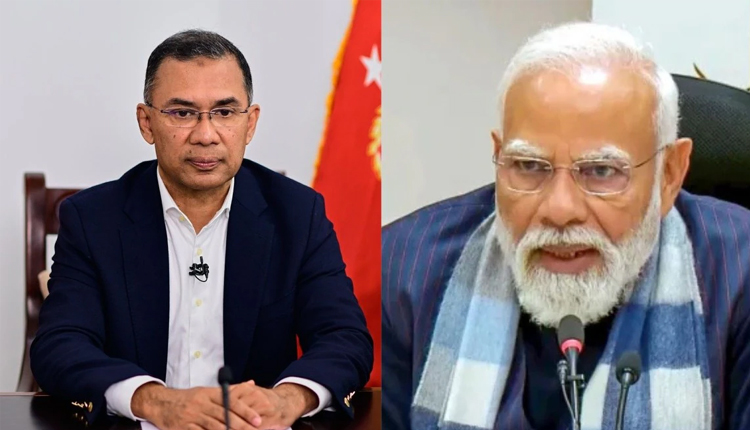
New Delhi: In a historic shift, the Bangladesh Nationalist Party (BNP), under the leadership of Tarique Rahman (son of the late Khaleda Zia), secured a commanding victory in the February 12 general elections, the country’s first truly competitive national vote in nearly two decades.

The BNP won 209 seats outright, while its 10-party alliance crossed 212 seats in the 300-member Jatiya Sangsad (well above the 151-seat majority threshold). This landslide outcome positions Tarique Rahman as the incoming prime minister, with the new government expected to form swiftly.
By contrast, the rival 11-party alliance led by Jamaat-e-Islami (headed by Dr Shafiqur Rehman) managed only 77 seats, with its affiliate National Citizen Party (NCP) taking 6. Notably, the Awami League, previously dominant under Sheikh Hasina, was barred from participating after its registration was suspended by the Election Commission in May 2025.
The interim administration of Nobel laureate Muhammad Yunus, in power since mid-2024, faced sharp criticism for fostering instability, delaying democratic restoration, and allegedly empowering Islamist elements while straining ties with neighbours. The election outcome is widely interpreted as a rejection of that period and a return to centre-right politics rooted in the spirit of Bangladesh’s 1971 liberation.
India’s Calculated Response: A Diplomatic Reset Underway
New Delhi views the BNP’s triumph as a golden window to reset bilateral relations, which had deteriorated markedly under the Yunus-led interim setup. Indian officials describe their stance as “cautiously optimistic”, recognising Tarique Rahman as a pragmatic figure likely to prioritise economic necessities, regional stability, and practical cooperation over ideological rigidities.
Prime Minister Narendra Modi promptly telephoned Tarique Rahman to extend congratulations, then posted on X: India and Bangladesh share “deep historical and cultural ties”, and New Delhi looks forward to strengthening multifaceted cooperation for mutual development while supporting a “democratic, progressive, and inclusive” Bangladesh.
India’s rebuilding strategy focuses on several untapped levers:
Reaffirming commitment to democracy and long-term stability.
Sending a high-level representative to the swearing-in ceremony as a goodwill gesture.
Maintaining vigilance on border security, minority protections (especially for Hindus), illegal migration, and counter-terrorism cooperation.
Advancing economic and connectivity agendas, including trade, water-sharing (notably Teesta), energy, and infrastructure.
Reviving regional frameworks like SAARC, where past BNP governments showed openness despite historical frictions.
While earlier BNP tenures (under Khaleda Zia) featured periods of tension with India, current economic realities —coupled with Bangladesh’s need for investment, remittances, and transit routes — make pragmatic engagement far more likely. Unlike the Yunus phase, which India saw as chaotic and tilted toward Pakistan-leaning Islamist groups, a democratically elected BNP administration offers a more predictable partner aligned with shared liberal and developmental values.
This outcome marks not just a domestic political realignment but a potential geopolitical pivot in South Asia, with India positioning itself to rebuild trust, counterbalance extremist influences, and lock in durable bilateral gains.
Comments are closed.