

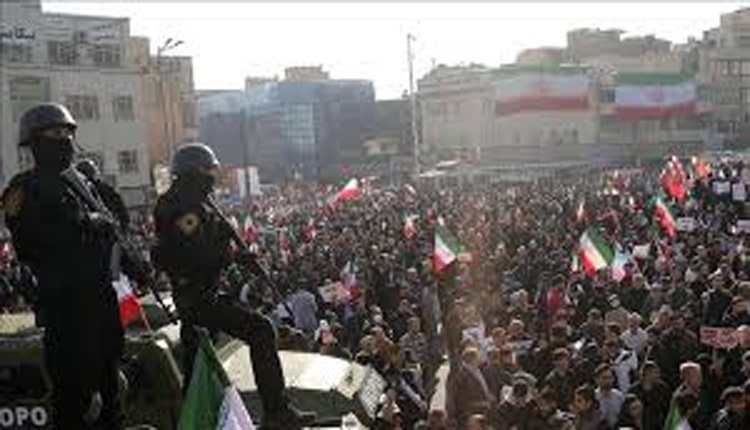
Tehran: Iran remains gripped by an uneasy calm following 19 days of nationwide protests that human rights groups describe as the deadliest internal conflict since the 1979 Islamic Revolution, with over 3,000 people reportedly killed in government crackdowns.

The US-based Human Rights Activists News Agency (HRANA) confirms at least 3,090 deaths, including approximately 2,885 protesters. The figure highlights the scale of repression amid widespread demonstrations that began over economic hardships and escalated into calls against the regime.
Authorities imposed a near-total internet blackout lasting nearly eight days (approximately 200 hours), severely restricting communication and information flow. Internet monitoring group NetBlocks reported connectivity dropping to just 2% of normal levels. Partial restoration began on Saturday, with limited access to internet and SMS services for some users, though full connectivity remains elusive and streets stay under heavy security surveillance.
In Tehran, the last four days have seen relative quiet, but residents report persistent fear due to drone monitoring and armed forces presence. The Iranian government blames the violence on “armed rioters” and “terrorists” allegedly backed by the United States and Israel, denying responsibility for civilian deaths.
The unrest has affected foreign nationals, including Indian students and pilgrims, who faced communication blackouts and movement restrictions. The Indian government continues to monitor the safety of its citizens in the country.
While large-scale protests have subsided for now, the high death toll and lingering tension signal deep-seated grievances that could resurface.
Comments are closed.