

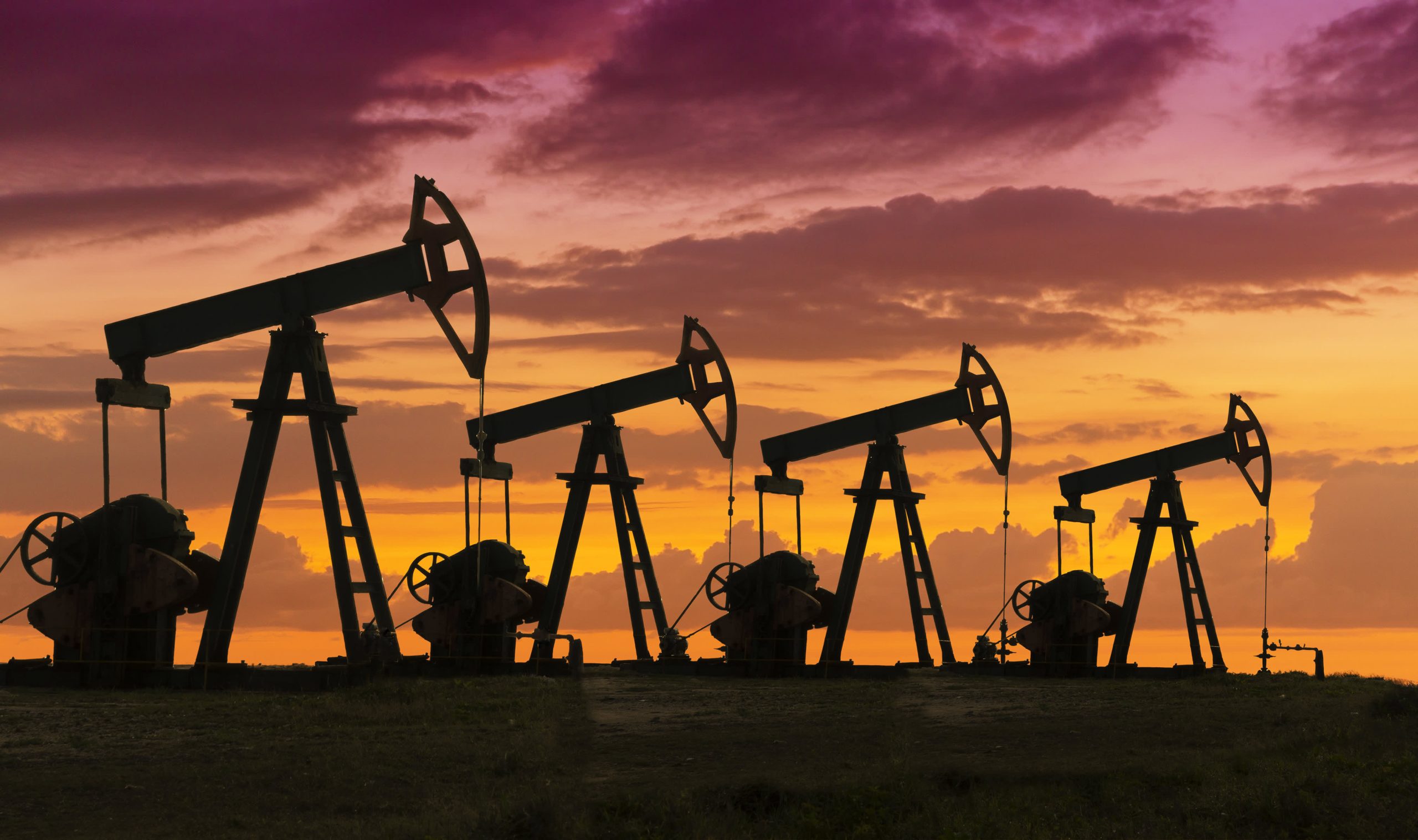
New Delhi: Control over crude oil reserves continues to shape the world’s biggest power equations, with the top 10 oil-rich nations broadly tilting towards the United States or Russia in the emerging global order.

From Venezuela to Libya, energy wealth is tightly interwoven with strategic alignments and geopolitical rivalry.
Venezuela, which holds the world’s largest proven oil reserves, has for years been a close partner of Russia through defence, investment, and diplomatic backing, even as relations with Washington have remained fraught – though recent moves have given the US greater leverage over its oil sector. Saudi Arabia, ranked second in reserves, is a traditional and powerful ally of the US, anchored in a long-standing security umbrella and dollar-denominated oil trade.
Iran, third on the reserves list, has gravitated towards Russia and China after decades of hostility with the US, and openly backed Moscow during the Ukraine war. Canada, a NATO member and America’s close ally, sends most of its oil exports to the US, leaving its orientation firmly in the Western camp.
Iraq, with substantial reserves, has seen strong American influence since 2003, but also the growing footprints of Iran and Russia, prompting Baghdad to carefully balance between competing poles. The UAE and Kuwait remain key US strategic partners, even as Abu Dhabi diversifies energy ties with Moscow and Beijing.
Russia itself is both a major reserve holder and a leading producer, positioning itself as the spearhead of the anti-US bloc and frequently using energy as a geopolitical tool. The US, turbocharged by the shale revolution in states like Texas, North Dakota and New Mexico, has become the world’s largest oil producer and maintains a massive Strategic Petroleum Reserve for emergencies. Libya, despite large reserves, remains fractured by civil war, with rival factions respectively closer to Russia and Western powers.
Comments are closed.